Dubai’s nightlife isn’t just about rooftop bars and neon-lit clubs. Beneath the glitter of skyscrapers and the hum of luxury cars, there’s a thriving cultural scene that comes alive after dark. If you’re looking for something deeper than loud music and cocktails, Dubai’s theatres and live performances offer unforgettable nights filled with art, storytelling, and emotion. Forget the clichés-this is where the city’s soul truly sings after sunset.
Opera at the Dubai Opera
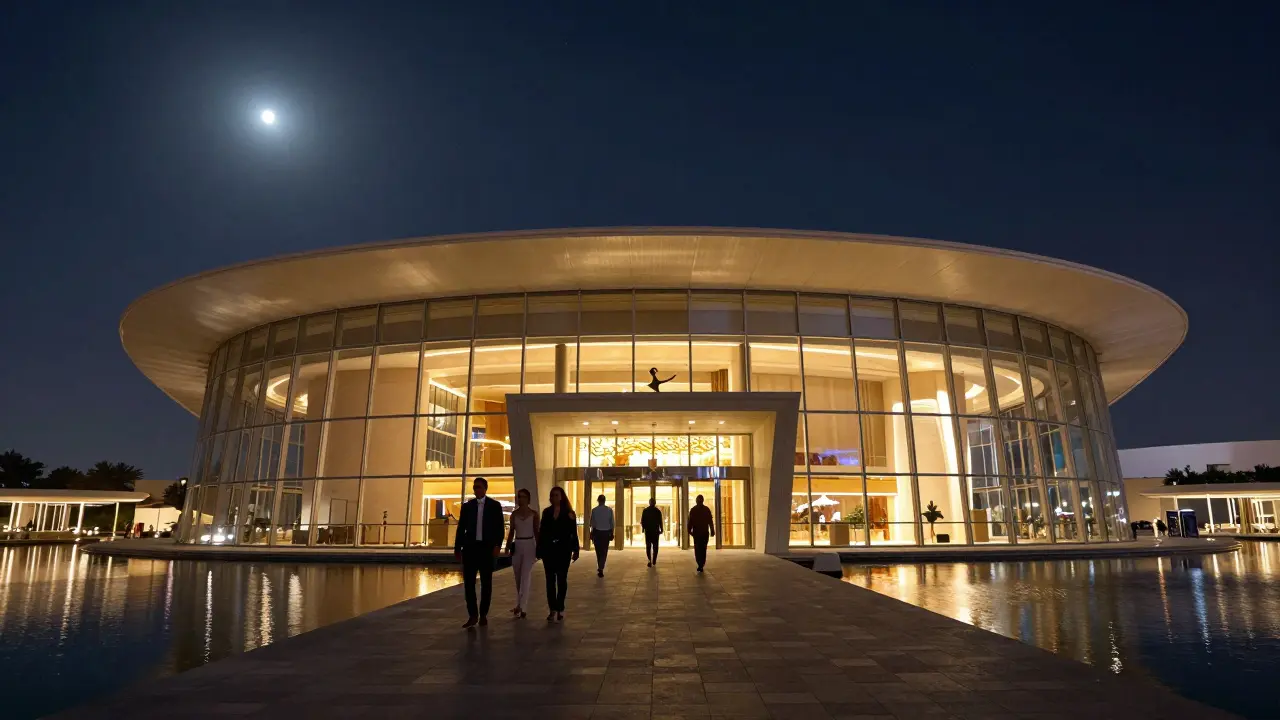
The Dubai Opera, shaped like a dhow sail, isn’t just an architectural marvel-it’s the heart of the city’s high-end cultural nightlife. Every week, you’ll find everything from full-scale operas to symphony concerts, ballets, and Broadway-style musicals. In 2025, their season includes La Traviata, The Phantom of the Opera, and a rare staging of Aladdin with a Middle Eastern twist. Tickets sell out fast, especially on weekends, so book at least two weeks ahead.
What makes it stand out? The acoustics. Designed by acousticians who also worked on the Sydney Opera House, the space carries every note with crystal clarity. No seat feels far from the stage. The dress code? Smart casual. You’ll see locals in kanduras paired with tailored jackets, and visitors in elegant dresses. It’s not stuffy-it’s refined.
Arabian Nights at Al Maha Desert Resort
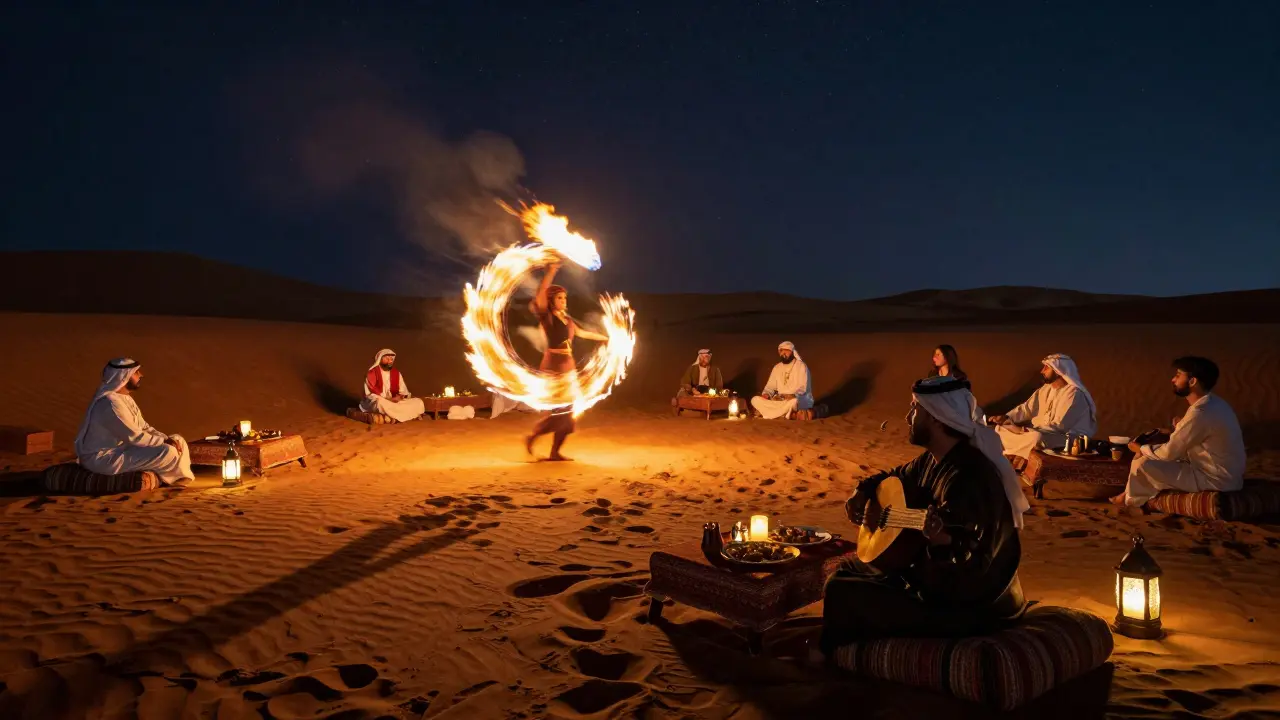
For a truly immersive experience, head 45 minutes outside the city to Al Maha Desert Resort. Their Arabian Nights dinner show isn’t just a performance-it’s a full sensory journey. You’re seated under the stars on plush cushions, surrounded by dunes, as fire dancers twirl, oud musicians play ancient melodies, and storytellers recite tales from the One Thousand and One Nights.
The food? Traditional Emirati dishes like machboos, luqaimat, and camel milk desserts, served on low tables with no cutlery-just your hands. The show lasts about three hours, and they provide warm blankets when the desert air cools after sunset. It’s not cheap (around AED 850 per person), but it’s the only place in Dubai where you can feel the heartbeat of Bedouin culture without stepping into a museum.
Theatre of the Future: The Dubai Theatre
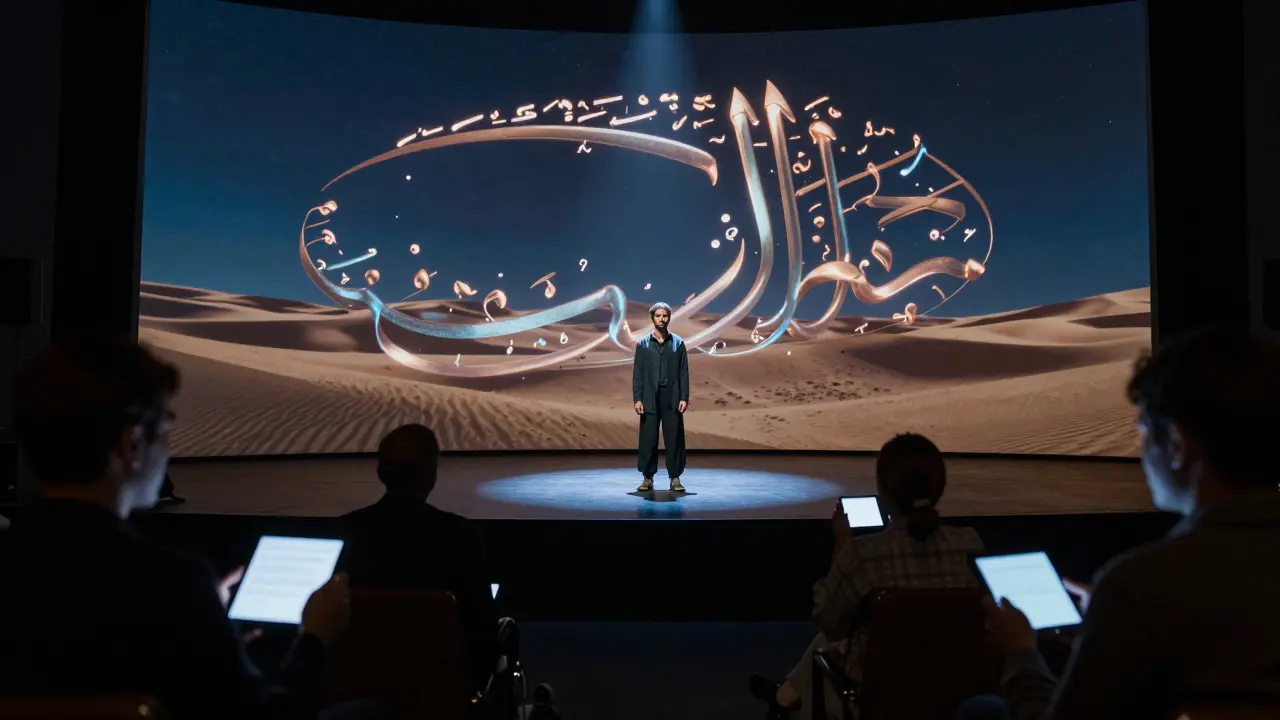
Opened in late 2024, The Dubai Theatre is the city’s first purpose-built experimental theatre. It’s not for everyone-but if you like bold, unconventional storytelling, this is where you’ll find it. Recent productions include Desert Echoes, a multimedia play blending Arabic poetry with AI-generated visuals, and Sheikh Zayed’s Last Letter, a one-man performance based on real archival documents.
What sets it apart is its audience interaction. Some shows let you vote on plot twists via an app. Others end with the actors walking into the crowd to continue the dialogue. It’s intimate, unpredictable, and unlike anything else in the Gulf. Tickets start at AED 120, and shows run Thursday to Saturday only. Don’t expect big-name stars-this is where emerging Emirati playwrights and directors make their mark.
Comedy and Improv: The Dubai Comedy Club
Yes, comedy counts as culture. The Dubai Comedy Club, tucked inside a restored heritage building in Al Fahidi, brings together expats and locals for stand-up nights that are raw, honest, and hilarious. Regulars include Iranian-born comedian Reza Asadi, who jokes about navigating Dubai’s cultural contradictions, and local Emirati performer Fatima Al Qasimi, who skewers family expectations with perfect timing.
They host open mic nights on Wednesdays, and international acts like from the UK and Canada rotate in monthly. The vibe? Think cozy bookstore meets underground jazz bar. Drinks are affordable, seating is first-come-first-served, and the crowd is genuinely diverse-you’ll sit next to a Filipino nurse, a Saudi student, and a retired British teacher all laughing at the same punchline.
Traditional Music and Dance: Al Shindagha Museum Nights
On Friday and Saturday evenings, Al Shindagha Museum opens its courtyards for free cultural nights. Families gather under lantern-lit arches as traditional Yowlah drummers perform, dancers in embroidered dresses move in synchronized steps, and poets recite verses in classical Arabic. The museum’s staff, dressed in period clothing, guide visitors through the history behind each rhythm and gesture.
This isn’t a tourist show. It’s a living tradition. Locals bring their children to learn the steps. Grandparents hum along. The music isn’t amplified-it’s raw, echoing off old stone walls. You won’t find this on Instagram. But if you’re there, you’ll remember it for years.
Why Culture Beats Clubs in Dubai
Dubai’s nightlife has a reputation for excess. But over the last five years, the city has quietly shifted. The government has invested over AED 2 billion into cultural infrastructure. New venues open every year. Local artists are gaining global recognition. And residents? They’re choosing depth over noise.
Why? Because after a while, the same DJ, the same bottle service, the same crowd-it gets tired. But a haunting oud solo at sunset, a poem that makes you cry, a dance that tells a 300-year-old story? That sticks with you. It changes how you see the city. You don’t just visit Dubai anymore-you feel it.
Planning Your Night
Here’s how to make the most of it:
- Check the Dubai Opera calendar monthly-they update it on the 1st of each month.
- Book Al Maha Desert Resort at least 3 weeks ahead, especially during Ramadan or holidays.
- Arrive 30 minutes early to theatres. Parking fills fast, and many venues have strict entry times.
- Wear light, breathable clothing. Even indoor venues are kept cool, but the walk from parking can be warm.
- Bring cash for small venues like Al Shindagha. Many don’t take cards.
- Download the Dubai Culture app. It has real-time updates, ticket links, and last-minute cancellations.
And skip the clubs for one night. Try a play instead. You might just find the real Dubai.
Are these cultural venues safe for tourists at night?
Yes. Dubai has one of the lowest crime rates in the world, and cultural venues are well-lit, staffed, and monitored. Security is visible but not intrusive. Most theatres and performance spaces are located in tourist-friendly areas like Downtown Dubai, Al Fahidi, and Jumeirah. Just avoid unlicensed desert tours-stick to reputable operators like Al Maha or Dubai Culture-affiliated events.
Can I bring children to these performances?
It depends on the show. Opera and ballet performances often have age restrictions (usually 12+), but family-friendly options like Aladdin at Dubai Opera or the Al Shindagha museum nights are perfect for kids. Comedy shows and experimental theatre are generally for adults. Always check the event description-most list recommended ages. For younger children, Al Maha’s desert show has a relaxed atmosphere and no loud noises, making it one of the best family options.
Do I need to dress up for cultural events in Dubai?
Smart casual is the standard. For Dubai Opera, avoid shorts, flip-flops, or tank tops-men often wear collared shirts, women choose dresses or elegant pants. At Al Shindagha or the Comedy Club, jeans and a nice top are fine. At Al Maha, you’ll be seated on the ground, so wear something comfortable. No need for formal wear unless it’s a gala night. When in doubt, lean toward modest, clean, and neat.
Are these shows expensive?
Prices vary. Dubai Opera tickets range from AED 250 to AED 2,000 depending on the show and seat. Al Maha’s dinner show is around AED 850 per person. The Dubai Theatre charges AED 120-200. Comedy Club is just AED 80, and Al Shindagha is free. There’s a wide range-you don’t need to spend a fortune to enjoy culture. Look for early-bird discounts, student rates, or Friday specials.
What if I don’t speak Arabic?
You won’t miss out. Most major performances at Dubai Opera and The Dubai Theatre are in English or include English subtitles. Even traditional shows like Yowlah or desert storytelling use visuals, music, and body language that transcend language. The Al Maha experience includes English narration. And if you’re curious about a line or lyric, many venues offer printed programs with translations.
Next time you think of Dubai nightlife, skip the club queue. Head to a theatre. Sit under the stars. Let a story move you. That’s the night you’ll remember.