When the sun sets over Milan, the city doesn’t sleep-it switches gears. One minute you’re walking past sleek boutiques in the Quadrilatero della Moda, the next you’re elbow-to-elbow in a basement jazz bar where the bassline rattles your ribs. This isn’t just a city that knows how to dress well; it knows how to party harder than most.
Start in Navigli: Canals, Cocktails, and Chill Vibes
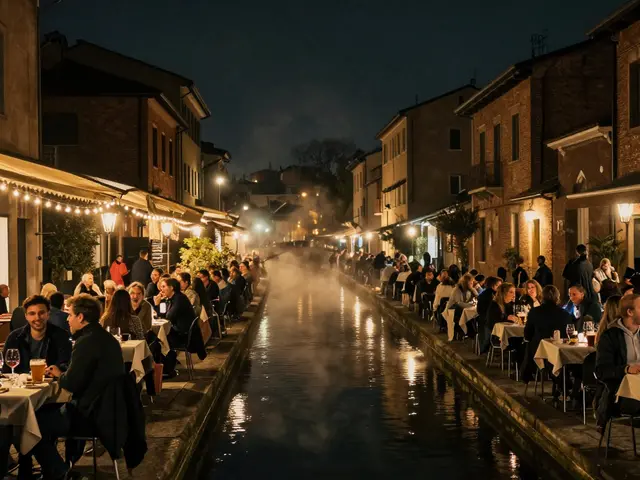
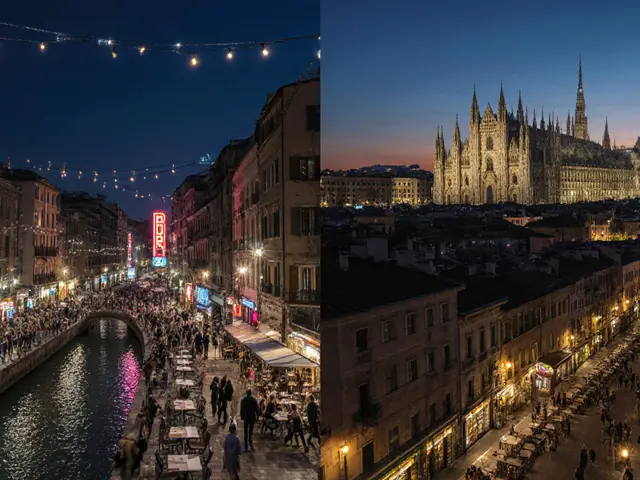
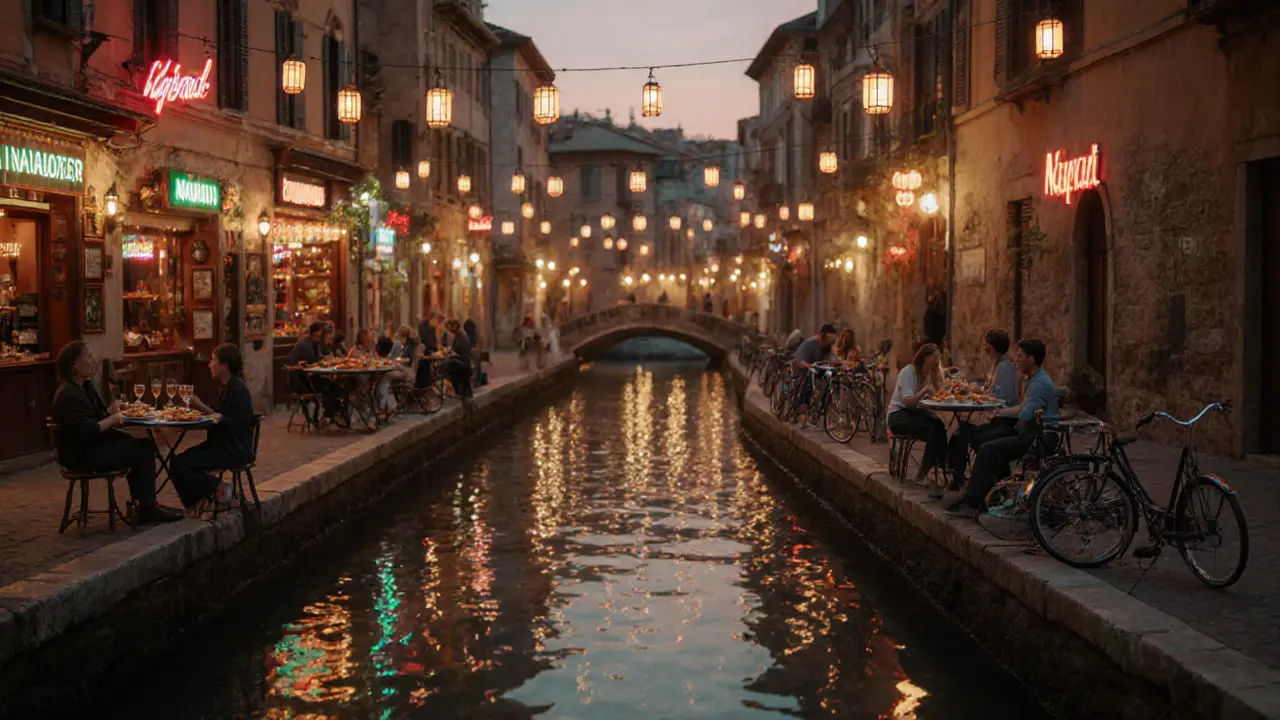
Forget the tourist traps. If you want to feel like a local on a Friday night, head to Navigli. This canal-side neighborhood turns into an open-air lounge after 8 p.m. The water reflects neon signs from retro-style bars like La Bicicletta and Bar Basso, where the aperitivo isn’t just a drink-it’s an experience. For €12-15, you get a Spritz or Negroni and a buffet of cold cuts, cheeses, and fried bites that could pass for dinner. Locals bring blankets and sit on the edges of the canals, laughing over wine and gossip. There’s no pressure to move on. This is where Milanese unwind before the real night begins.
Clubs That Actually Matter: From Underground to Iconic
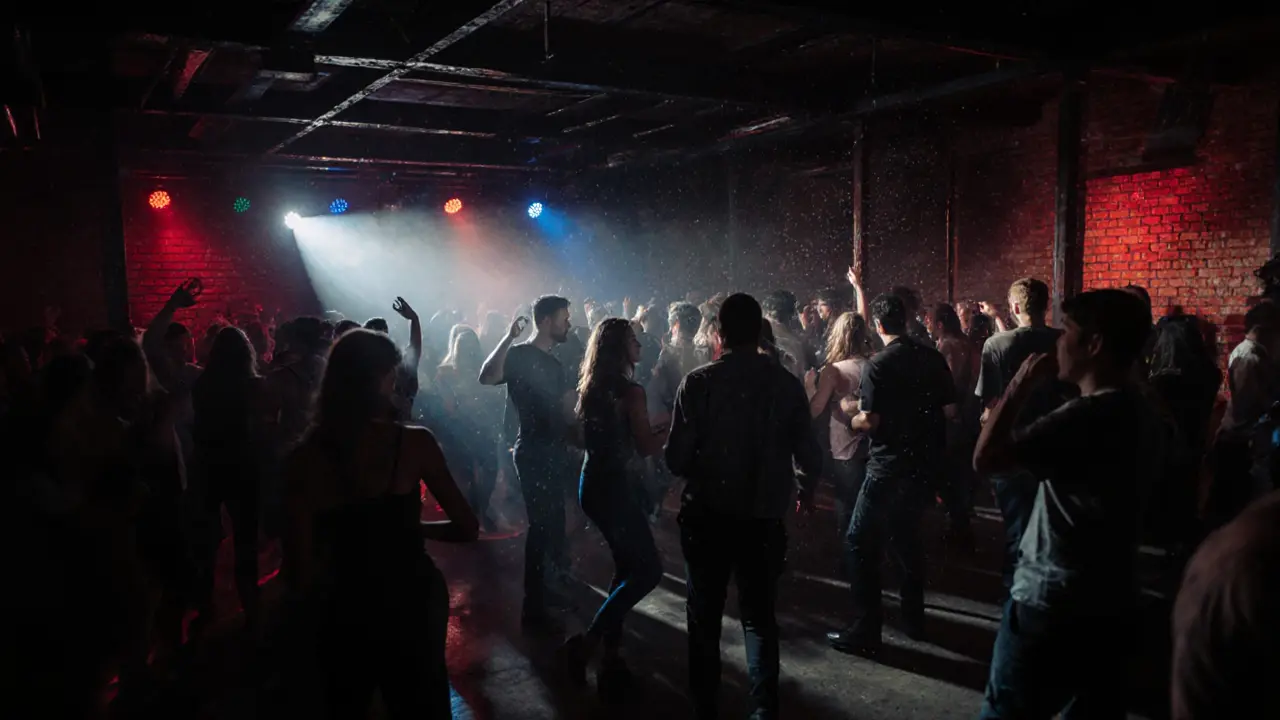
Milan’s club scene isn’t about flashy logos or velvet ropes. It’s about sound, atmosphere, and history. La Scala isn’t just an opera house-it’s a myth. But if you want real beats, skip the touristy spots near Piazza Duomo. Instead, find Alcatraz, a converted factory in the Porta Genova district. It’s been around since the 90s and still draws international DJs. The bass is deep, the crowd is mixed, and the lighting? Just enough to see your friend, not enough to feel watched.
For something more intimate, try Magazzini Generali. It’s not a club-it’s a warehouse turned cultural hub. You’ll find experimental electronic sets, art installations, and people dancing like no one’s recording them. No cover charge before midnight. After that? It’s €10, and you get a free drink. That’s Milanese hospitality: no gimmicks, just good vibes.
The Aperitivo Ritual: More Than Just a Drink
You can’t talk about Milan nightlife without talking about aperitivo. It’s not a happy hour. It’s a ritual. Starting at 6 p.m., bars across the city flip a switch. Glassware clinks. Ice cubes tumble. Spritzes are poured with precision. And then-the food appears. It’s not a snack. It’s a spread: truffle arancini, stuffed olives, grilled vegetables, even mini lasagna. At Bar Basso, the original home of the Negroni Sbagliato, the aperitivo is legendary. You won’t find it on Instagram. You’ll find it because someone told you to go.
Pro tip: Don’t show up after 8:30 p.m. if you want the full spread. By then, the buffet’s half gone, and the crowd’s switched to full party mode. Go early, eat well, and drink slowly. The night has hours to go.
Where the Elite Go: Private Lounges and Hidden Spots
If you’re looking for exclusivity without the pretension, Club 21 is your spot. Tucked above a tailor shop in Brera, you need a reservation-or a friend who knows the bouncer. Inside, it’s dim, velvet-lined, and packed with artists, designers, and tech founders who moved here from Berlin or New York. The music? Jazz fused with deep house. The drinks? Hand-chipped ice, house-infused spirits, and zero menu cards. You tell the bartender what mood you’re in, and they make you something you didn’t know you needed.
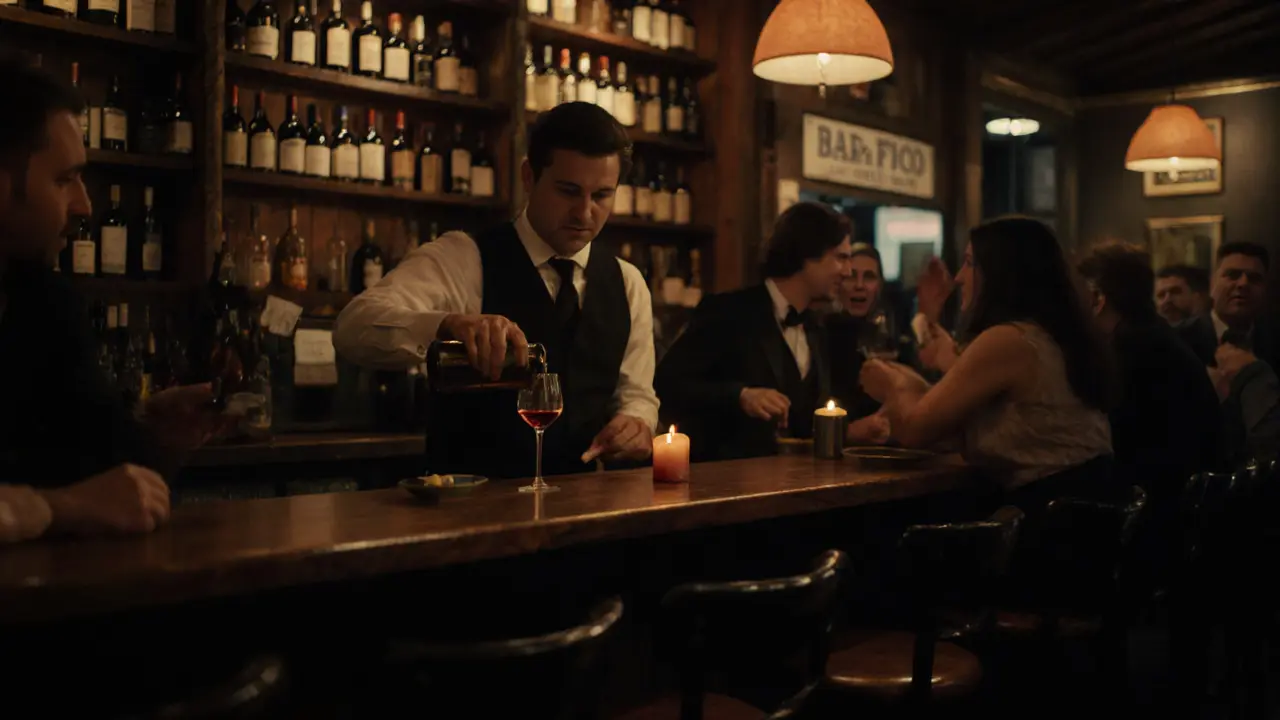
Another hidden gem: Bar del Fico. It looks like a tiny grocery store from the outside. Inside? A candlelit bar with a single long table, 12 stools, and a bartender who remembers your name after one visit. They don’t take reservations. You just show up, order a glass of Lambrusco, and wait for the crowd to form. By 11 p.m., it’s buzzing. By 1 a.m., it’s the only place left where people are still talking, not just dancing.
What to Avoid: Tourist Traps and Overhyped Spots
There are places that scream "Milan nightlife" on Google Maps-and you should avoid them. Armani Prive and Club 33 near the Duomo? Overpriced, loud, and full of people taking selfies with their cocktails. You pay €60 for a drink that costs €5 in Navigli. Same energy, worse music, zero soul.
Also skip the "Milan Night Tour" buses. They drop you at the same three clubs every night, with a guide who’s reading from a script. Real nightlife isn’t scheduled. It’s stumbled upon.
When to Go: Timing Is Everything
Milan doesn’t wake up until midnight. Bars start filling at 10 p.m. Clubs don’t hit their stride until 1 a.m. And the real party? That’s between 3 and 5 a.m., when the last stragglers are still dancing and the sunrise is creeping over the Galleria Vittorio Emanuele.
Weekends are packed, especially Friday and Saturday. But if you want to feel the pulse without the crush, try Thursday. It’s when locals test out new spots, and the bouncers are still in a good mood. Sunday nights? Quiet. But if you find a bar still open, you’re likely to meet someone who’ll tell you where the next secret party is.
Getting Around: No Need for a Car
Milan’s nightlife is walkable if you stick to the right zones. Navigli to Porta Genova? 20 minutes. Brera to La Scala? 15. The metro runs until 1:30 a.m. on weekends, and taxis are easy to find via apps like Free Now. But the best way? Walk. You’ll pass street musicians, open-air art, and bars you didn’t know existed.
Don’t rent a car. Parking in Milan after dark is a nightmare. And you’ll need your wits about you when you’re navigating narrow streets with a full stomach and a few cocktails in you.
Final Tip: Dress to Fit In
Milanese don’t wear sneakers to clubs. Not because they’re snobs-but because they care about how they look. You don’t need a suit. But ditch the hoodie and flip-flops. Dark jeans, a clean shirt, and leather shoes? Perfect. Women wear tailored dresses or sleek separates. No logos. No flashy jewelry. Think minimalist elegance. It’s not about money. It’s about respect-for the space, the music, the people.
Milan’s nightlife doesn’t shout. It whispers. And if you listen closely, you’ll hear it calling you back.
What’s the best time to start a night out in Milan?
Start with aperitivo around 6:30 p.m. in Navigli or Brera. Move to dinner by 8:30 p.m., then hit clubs after midnight. Milan doesn’t get lively until 1 a.m., so don’t rush. The real energy kicks in between 3 and 5 a.m.
Is Milan nightlife expensive?
It can be, if you go to tourist spots. But a proper aperitivo with food costs €12-15, and many clubs charge only €10 after midnight. Avoid places near Piazza Duomo with €20 cocktails-they’re not worth it. Stick to local favorites like Bar Basso, Alcatraz, or Magazzini Generali for real value.
Are there any dress codes for Milan clubs?
Yes, but it’s not strict. No athletic wear, flip-flops, or oversized hoodies. Dark jeans, a button-down or sleek top, and clean shoes work for most places. Upscale lounges like Club 21 prefer a more polished look-think blazers or tailored dresses. When in doubt, lean toward minimalist elegance.
What’s the difference between Navigli and Brera at night?
Navigli is laid-back, canal-side, and perfect for drinks and snacks with friends. Brera is more artsy, intimate, and ideal for hidden bars and quiet conversations. Navigli is for early night; Brera is for late-night discovery. Both are essential, but they serve different moods.
Can you find live music in Milan’s nightlife?
Absolutely. Jazz at Blue Note Milano, indie rock at Teatro Dal Verme, and experimental sets at Magazzini Generali. Many clubs rotate live acts on Thursdays and Sundays. Check local event boards at Bar Basso or the Milanese cultural app, “Milano Cultura,” for weekly lineups.
Is Milan nightlife safe at night?
Yes, especially in the main nightlife zones like Navigli, Porta Genova, and Brera. Stick to well-lit streets, avoid isolated alleys after 2 a.m., and use trusted apps for taxis. Violent crime is rare, but pickpockets can be active near crowded bars-keep your phone and wallet secure.
What’s the best way to discover new spots in Milan?
Talk to bartenders. Ask locals where they go after midnight. Follow Instagram accounts like @milan.nightlife or @milanese.nights for unfiltered picks. Skip the top 10 lists-you’ll find the real gems in small bars with no signs, where the only clue is a line of people waiting outside.