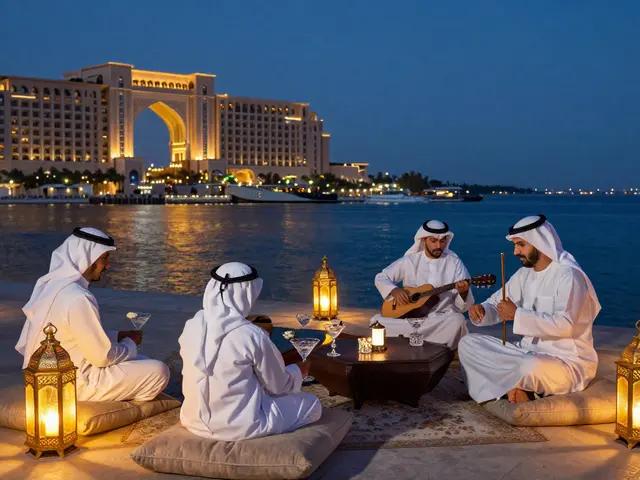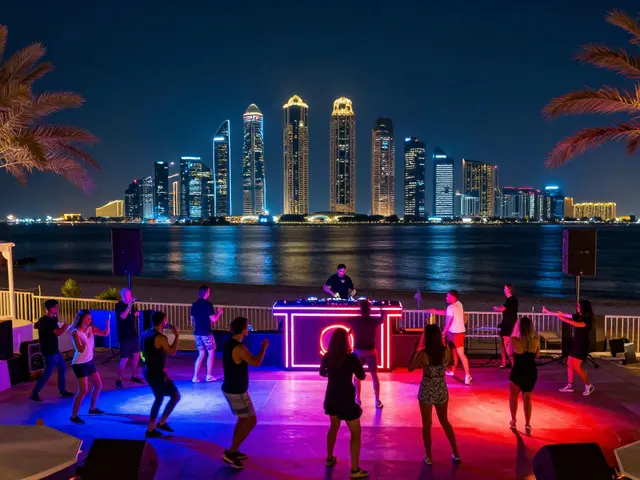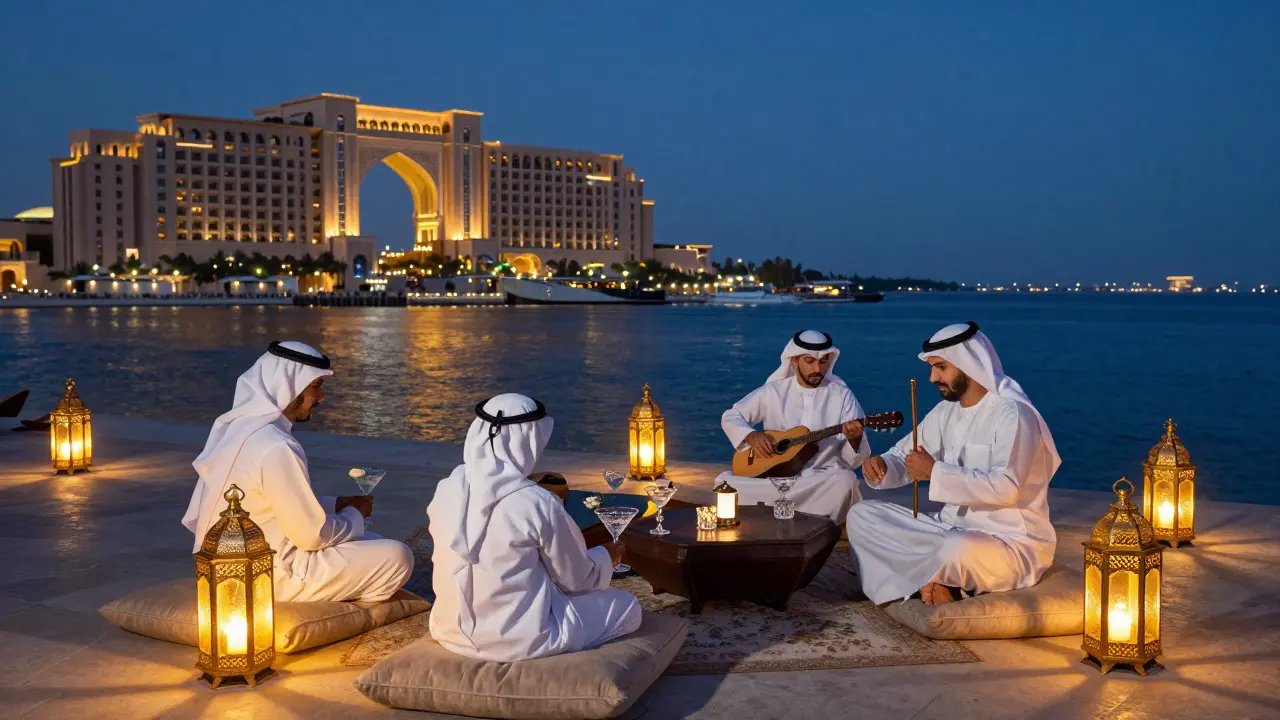
Abu Dhabi doesn’t just shut down after sunset. While some assume the city goes quiet once the sun dips below the horizon, the truth is far more vibrant. This is a place where golden lanterns glow beside neon signs, where shisha lounges sit just steps from rooftop bars with panoramic views of the Arabian Gulf, and where traditional Arabic music blends with house beats in underground clubs. Abu Dhabi’s nightlife isn’t about replacing culture-it’s about expanding it.
It’s Not Just Clubs and Cocktails
Forget the idea that nightlife means loud music and crowded dance floors. In Abu Dhabi, the evening begins with quiet elegance. Head to Al Qasr’s waterfront terrace at the Emirates Palace, where you can sip a date martini while watching the sky turn from amber to deep indigo. The atmosphere is calm, refined, and unmistakably Emirati. There’s no pressure to dance. No flashing lights. Just the sound of waves, soft oud melodies, and the clink of crystal glasses.
These spaces aren’t just for tourists. Locals come here after dinner to unwind. Families gather in shaded courtyards with Arabic coffee and sweet pastries. It’s nightlife with dignity. And that’s what makes Abu Dhabi different.
The Rise of Rooftop Culture
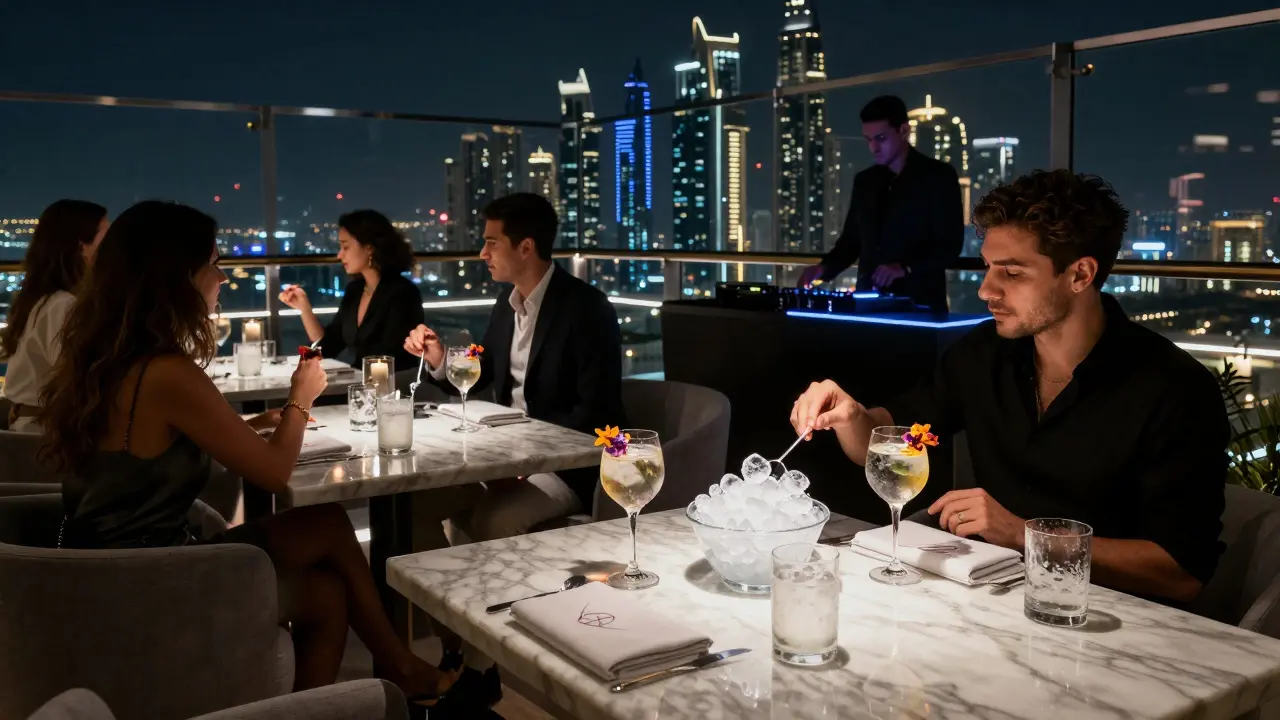
By 9 PM, the real energy kicks in. Rooftop venues have become the heartbeat of modern Abu Dhabi nightlife. Places like 360 at the St. Regis or Level 33 at the W Abu Dhabi turn the skyline into a backdrop for curated experiences. These aren’t just bars-they’re destinations. DJs spin from dusk until midnight, but the crowd isn’t there just to party. They’re there to be seen, to connect, to enjoy a perfectly balanced gin and tonic made with local herbs.
What sets these spots apart? The attention to detail. Ice is hand-chipped. Garnishes are edible flowers grown in desert greenhouses. Even the napkins are monogrammed. This isn’t extravagance for show-it’s part of the service standard. You pay for the view, yes. But you also pay for the precision.
Where Tradition Lives After Dark
Not every night in Abu Dhabi needs a dress code. For a more grounded experience, visit Al Fanar in the Cultural Foundation district. This isn’t a club. It’s a cultural hub. By night, it becomes a living museum of Emirati heritage. You’ll find elders playing backgammon under lantern light, storytellers recounting desert legends, and live performances of Ayyala, the traditional sword dance. The drinks? Freshly pressed pomegranate juice and cardamom tea. No alcohol. No crowds. Just authenticity.
These spaces are protected by law. The government encourages cultural preservation, even in nightlife. That’s why you’ll find fewer Western-style clubs here than in Dubai. Instead, you get something rarer: a place where heritage isn’t packaged for tourists-it’s lived.
The Underground Scene That’s Gaining Ground
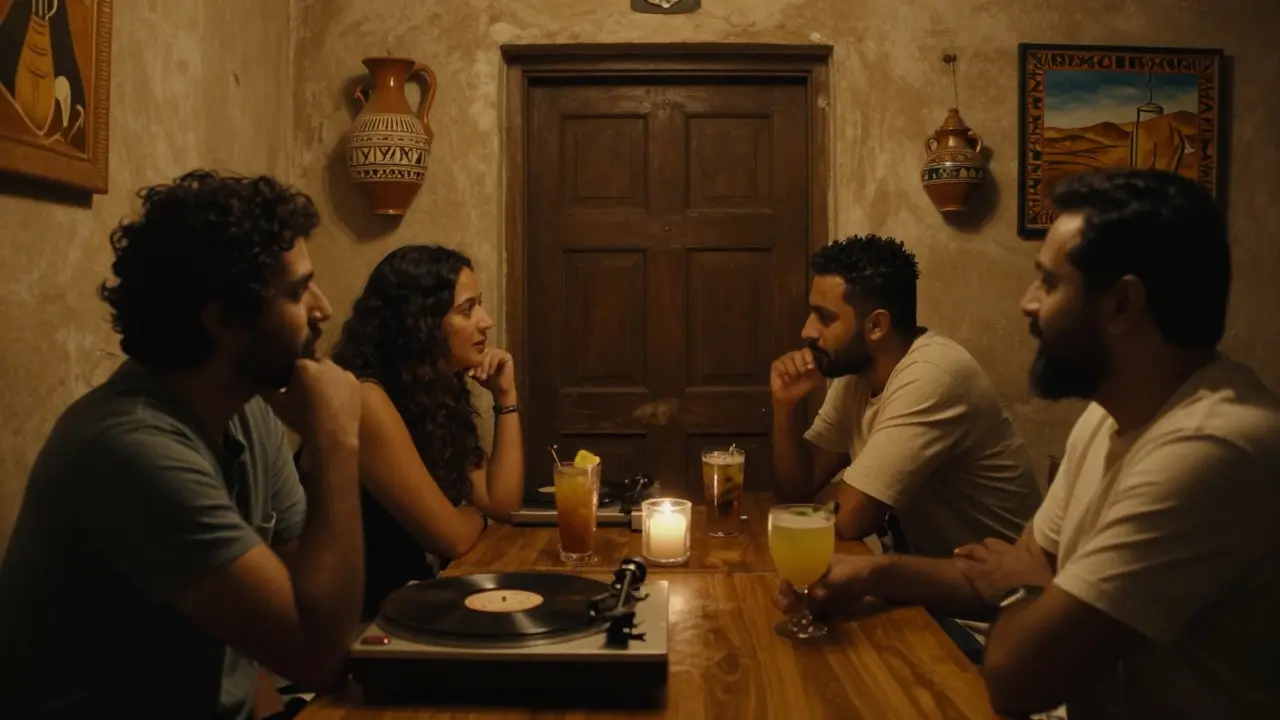
Don’t mistake quiet for boring. Behind unmarked doors in the Al Bateen district, a new wave of nightlife is growing. Think speakeasies with hidden entrances, vinyl-only bars where DJs play rare Arabic jazz from the 70s, and pop-up events in converted warehouses. One spot, The Loft, only opens on weekends and requires a reservation via WhatsApp. No website. No Instagram page. Just word of mouth.
It’s not about exclusivity. It’s about intention. People here aren’t chasing trends-they’re chasing connection. You’ll find engineers from Yas Island, artists from Saadiyat, and expats who’ve lived here for a decade all sharing the same table. The music? A mix of Lebanese pop, electronic fusion, and old-school Emirati folk. The vibe? Intimate. Real. Unscripted.
What You Won’t Find (And Why It Matters)
There are no all-night raves. No open-container streets. No rowdy bouncers. Abu Dhabi enforces strict rules: no public intoxication, no dancing in non-licensed venues, and no alcohol sales after 2 AM. These aren’t restrictions-they’re boundaries that shape the experience.
Because of this, the nightlife here is more thoughtful. You don’t stumble out of a club at 4 AM. You leave when you’re ready. You walk. You talk. You breathe. The city doesn’t force you to stay up. It invites you to slow down.
And that’s why people return. Not for the spectacle-but for the stillness beneath the sparkle.
Where to Go, When to Go
- Weeknights (Tuesday-Thursday): Start at a rooftop bar like 360 or La Petite Maison. The crowd is smaller, the prices lower, and the music is just right for conversation.
- Friday Nights: The weekend kicks off. Head to Level 33 or Yas Beach Club for live DJs and a more energetic crowd. Dress code is smart casual-no shorts or flip-flops.
- Saturdays: Explore cultural spots like Al Fanar or the Abu Dhabi Festival night events. These are free, family-friendly, and deeply local.
- Midnight-2 AM: Only licensed venues serve alcohol. After 2 AM, most bars close. But the city doesn’t end. Cafes like Blue Bottle or Arabian Coffee House stay open late with light bites and strong Arabic coffee.
What to Expect in 2025
Abu Dhabi is expanding its nightlife quietly-but decisively. New venues are opening with a focus on sustainability: solar-powered lighting, zero-waste bars, and partnerships with local artisans for decor and drinks. The government has also launched the Abu Dhabi Nightlife Initiative, which supports small, culturally rooted businesses.
One new addition? The Desert Sound Lounge, a pop-up venue set up weekly in the Al Wathba desert. Guests arrive by electric shuttle, enjoy live fusion music under the stars, and leave with a small ceramic cup made by a local potter. It’s not just a party-it’s a ritual.
Final Thoughts: It’s Not About How Loud You Are
Abu Dhabi’s nightlife doesn’t shout. It whispers. It glows. It lingers. You won’t find a place here where the music is so loud you can’t hear your own thoughts. But you will find places where every detail feels intentional, every drink tells a story, and every moment feels earned.
If you’re looking for chaos, go elsewhere. But if you want to experience a city that knows how to celebrate without losing its soul-then Abu Dhabi’s nights are waiting.
Is Abu Dhabi nightlife safe for tourists?
Yes, Abu Dhabi is one of the safest cities in the world for tourists at night. Law enforcement is visible but not intrusive. Most venues have strict ID checks, and public intoxication is rare. Stick to licensed areas, avoid isolated streets after midnight, and you’ll have no issues. The city prioritizes order and respect.
Can I drink alcohol in Abu Dhabi nightlife spots?
Yes-but only in licensed venues like hotels, clubs, and rooftop bars. Alcohol is not sold in supermarkets or convenience stores. You must be 21 or older to purchase or consume alcohol. Drinking in public places, including beaches or parks, is illegal. Always check if a venue has a valid license before ordering.
What’s the dress code for Abu Dhabi clubs and bars?
Most upscale venues require smart casual attire. Men should wear collared shirts and closed shoes. Women can wear dresses, tailored pants, or stylish tops. Avoid shorts, flip-flops, tank tops, or overly revealing clothing. Some venues, especially on Yas Island, are stricter. When in doubt, lean toward elegance over comfort.
Are there any free nightlife options in Abu Dhabi?
Absolutely. The Cultural Foundation hosts free evening events on weekends, including live music, poetry readings, and traditional dance performances. Yas Mall often has open-air cinema nights in the plaza. Al Maryah Island’s waterfront promenade is perfect for a stroll with street performers and ambient lighting. These spots offer rich experiences without a cover charge.
How late do places stay open in Abu Dhabi?
Licensed venues serving alcohol must close by 2 AM. Most bars and clubs shut down between 1 AM and 2 AM. Non-alcohol venues like cafes, dessert spots, and cultural centers often stay open until 3 AM or later. The city’s quietness after 2 AM isn’t a limitation-it’s part of its rhythm.