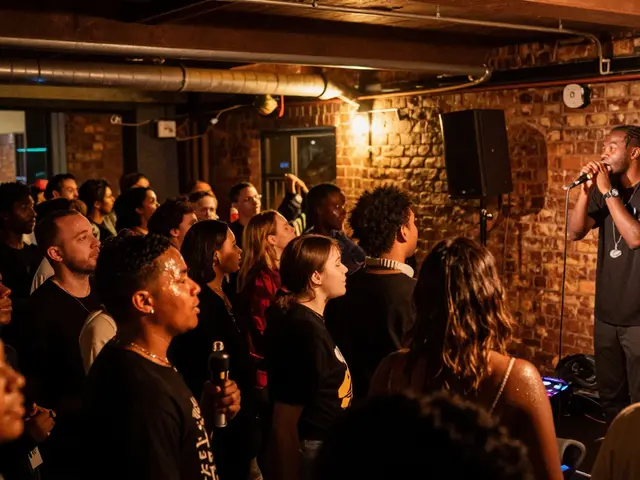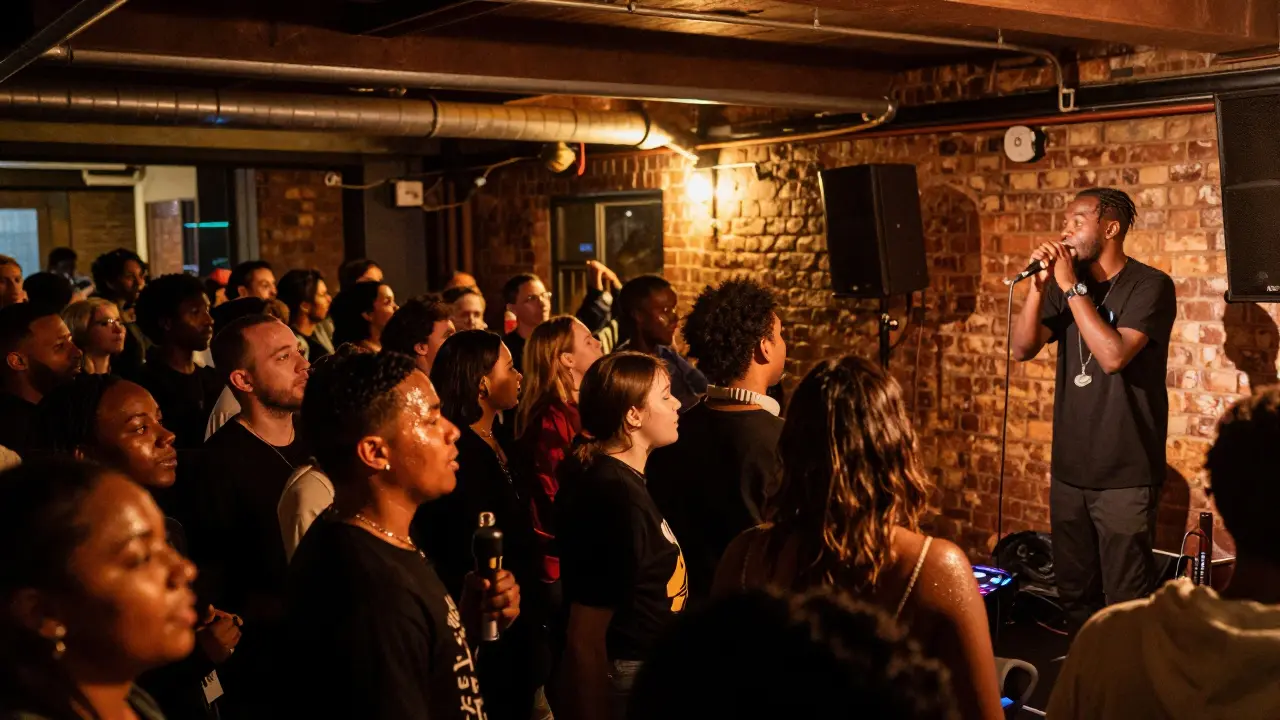
London doesn’t just have music-it has live music that pulses through alleyways, basements, and historic halls. If you’re looking for a night out where the bass hits your chest and the crowd sings along like it’s your own concert, you don’t need a ticket to a stadium. The real magic happens in places where the stage is small, the sound is raw, and the vibe sticks with you long after the last note fades.
Electric Brixton
Once a church, now a powerhouse of underground sound, Electric Brixton sits right on the edge of Brixton’s cultural heartbeat. The venue holds about 1,200 people, but it never feels crowded-just alive. You’ll find everything here: grime artists dropping new tracks, soul singers with voices that shake the rafters, and indie bands that sell out weeks in advance. The sound system? Built by the same team that designed the speakers for Glastonbury. No fancy VIP section, no overpriced drinks-just great music and a crowd that came to move. It’s the kind of place where you show up not knowing who’s playing and leave with a new favorite artist.
The Jazz Café
If you want soul, funk, or jazz that doesn’t feel like a museum exhibit, The Jazz Café in Camden is your spot. Open since 1990, it’s hosted everyone from Amy Winehouse in her early days to today’s rising stars like Nubya Garcia and Yussef Dayes. The stage is low, so you’re never far from the musicians. The walls are covered in vintage posters, and the bar serves cocktails named after legendary performers. On weekends, the dance floor fills with people who’ve never danced before-and suddenly can’t stop. It’s not just a venue; it’s a living archive of Black British music history.
O2 Academy Brixton
Big names play here, but it doesn’t feel corporate. O2 Academy Brixton is a 1920s cinema turned music temple. The balcony seats are steep, giving you a view of the whole crowd-and the stage. You’ll see indie rock bands, metal acts, and pop stars who’ve outgrown smaller rooms but still care about the connection. The acoustics are perfect: no echo, no muffled vocals. Even the staff know the setlists. One time, a fan shouted for a deep cut during a Foo Fighters show. The band played it. No one expected it. Everyone screamed. That’s the kind of magic you get here.
The Windmill, Brixton
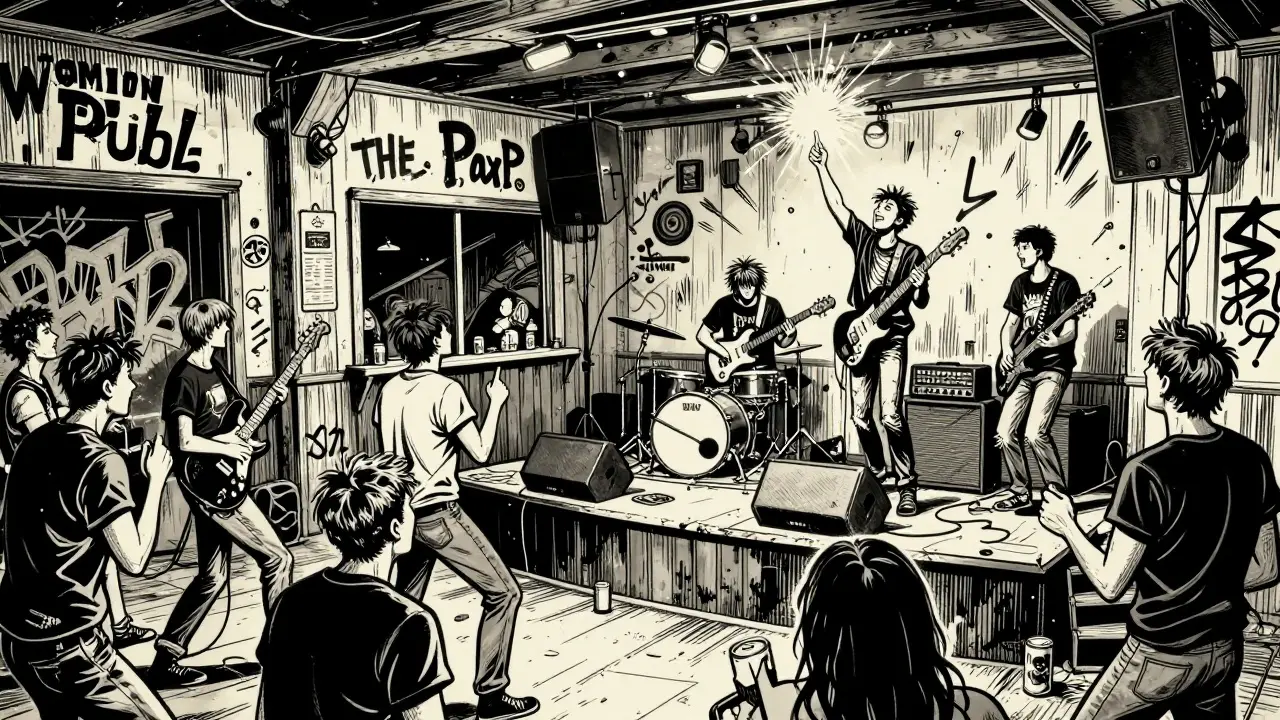
Small. Dirty. Perfect. The Windmill is a pub with a stage the size of a kitchen table. It’s where bands like Arctic Monkeys and Florence Welch played before they were known. Today, it’s still the go-to for emerging punk, noise rock, and DIY bands from across the UK. Tickets cost £8. The beer is £4. The crowd is mostly in their 20s, wearing ripped jeans and band tees from bands you’ve never heard of. You won’t find a VIP area, a merch table, or even a proper bathroom. But you will find the rawest, most honest live music in London. If you want to hear something no one else has heard yet, this is where you go.
Union Chapel
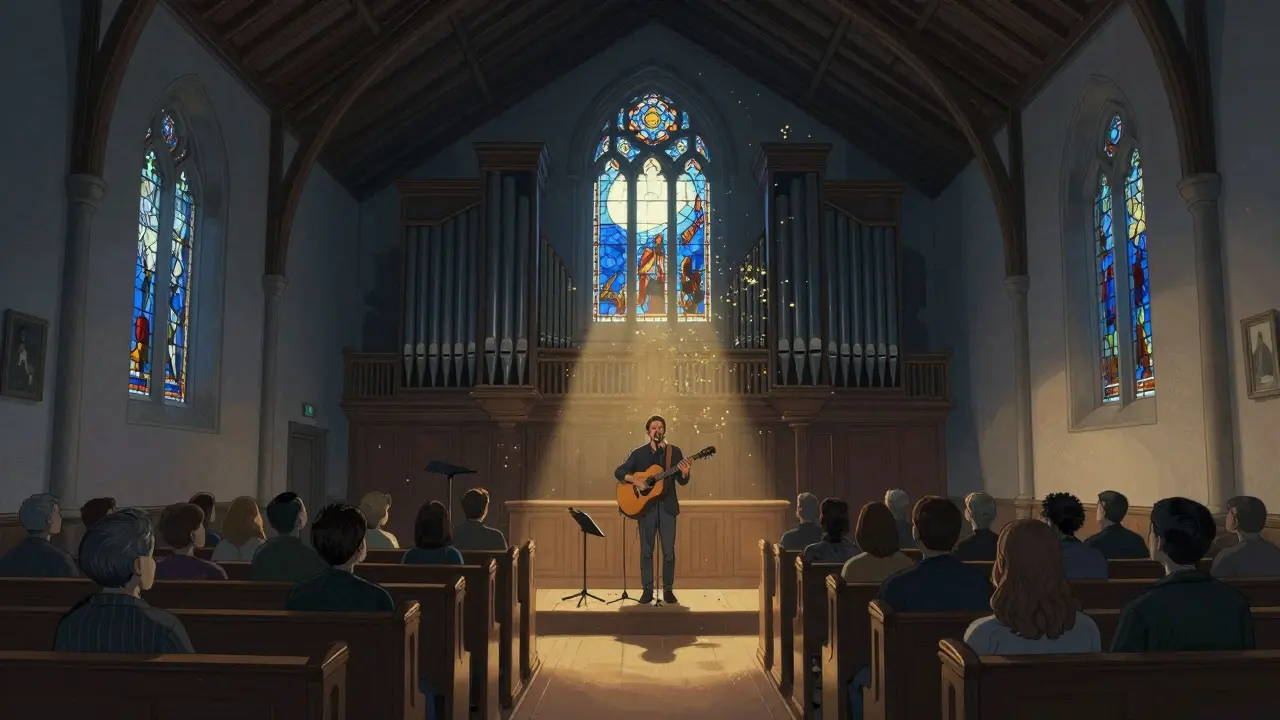
Imagine a 19th-century Gothic chapel with stained glass windows, wooden pews, and a pipe organ that fills the room like thunder. Now imagine Bon Iver playing acoustic songs under the vaulted ceiling, or PJ Harvey singing with a string quartet. Union Chapel isn’t just a venue-it’s an experience. The acoustics are so good, you can hear a breath between notes. The crowd is quiet, respectful, and utterly absorbed. No phones in the air. No talking. Just music and stillness. It’s the opposite of a club, but just as powerful. Come here if you want to feel something deep, not just loud.
Camden Assembly
Formerly known as The Koko, this venue has been around since 1900. It’s got that old-school London charm: ornate ceilings, velvet curtains, and a balcony that wraps around the whole room. The sound is crisp, the lighting is moody, and the crowd is a mix of tourists and locals who’ve been coming here since the 90s. You’ll catch everything from alt-pop acts to post-punk revival bands. The bar on the ground floor is the best place to grab a drink before the show-no line, no attitude. And if you’re lucky, you might catch a surprise guest appearance. One night, a member of The Cure showed up unannounced and played three songs. No announcement. No tickets. Just magic.
Ronnie Scott’s
Open since 1959, Ronnie Scott’s is the most famous jazz club in Europe. It’s small, dimly lit, and packed with people who know their Miles Davis from their Coltrane. The wait to get in is long, but it’s worth it. The musicians here aren’t just good-they’re legends. You’ll see Grammy winners, touring soloists from New York, and local heroes who’ve played here for decades. The set starts at 8:30 PM sharp. No opening acts. No delays. Just two hours of pure, unfiltered jazz. Dress smart. No hoodies. No flip-flops. This isn’t a pub-it’s a temple of sound.
Heaven
Heaven isn’t just a club-it’s a London institution. Opened in 1979, it’s hosted Prince, Madonna, and Lady Gaga before they were global stars. Today, it’s known for its drag shows, queer-friendly nights, and high-energy electronic sets. But don’t sleep on the live music. On weekends, you’ll find rock bands, soul singers, and electronic acts that blend live instruments with beats. The dance floor is massive, the lighting is wild, and the crowd is loud, proud, and free. If you want a night that ends at 3 AM with sweat on your skin and a smile on your face, Heaven delivers.
Clapham Grand
This 1901 vaudeville theater was abandoned for years before being revived as a live music and events space. Now, it’s one of the most beautiful venues in London. The ceiling is painted with gold stars, the balcony is lined with velvet ropes, and the stage is framed by ornate arches. The sound is warm, the crowd is diverse, and the bookings are unpredictable-you might see a folk singer one night and a synthwave band the next. It’s not as loud or as packed as other spots, but it’s the most cinematic. Bring someone you want to impress. Or bring yourself. Either way, you’ll leave feeling like you stepped into a movie.
How to Pick the Right Venue for You
Not every night out is the same. If you want to dance till dawn, go to Heaven or Electric Brixton. If you want to sit quietly and feel every note, choose Union Chapel or Ronnie Scott’s. If you’re looking for the next big thing, The Windmill or The Jazz Café are your best bets. For a mix of history and big names, O2 Academy Brixton and Camden Assembly won’t let you down. Check set times. Some venues start late-Clapham Grand shows often begin at 9 PM. Buy tickets early. Popular gigs sell out in hours. And always check the dress code. Ronnie Scott’s doesn’t allow hoodies. Heaven expects you to shine. The Windmill? Wear whatever you want.
What Makes a Great Live Music Venue?
It’s not just the band. It’s the room. The way the sound bounces off the walls. The way the crowd leans in when the singer hits a high note. The smell of old wood and beer. The bartender who remembers your name after three visits. Great venues don’t just host music-they create moments. They let you forget the outside world. They turn strangers into friends. And they make you feel like you’re part of something bigger than just a concert.
What’s the best live music venue in London for first-timers?
For first-timers, O2 Academy Brixton is the safest bet. It’s big enough to feel exciting but not overwhelming, has excellent sound, and books a wide range of popular acts. The staff are helpful, the drinks are reasonably priced, and you’ll likely see a band you already know. It’s the perfect gateway to London’s live scene.
Are there any free live music spots in London?
Yes. Many pubs in Shoreditch, Dalston, and Peckham host free gigs on weeknights. The Hope & Anchor in Islington often has unsigned bands playing for free on Tuesdays. The Bull’s Head in Barnes is another long-standing spot for free jazz and blues. No tickets needed-just show up, grab a pint, and listen.
What time do London music venues usually close?
Most venues close at 11:30 PM or midnight, but shows often end by 10:30 PM. Some, like Heaven and Electric Brixton, have late licenses and stay open until 1:30 AM or later. Always check the venue’s website-closing times vary by night and event.
Is it better to buy tickets in advance or at the door?
Buy in advance. Even mid-tier acts at smaller venues like The Jazz Café or Union Chapel often sell out. Doors usually open an hour before showtime, but lines form early. If you wait until the door, you risk getting turned away-or paying double on resale sites.
Which venues are most LGBTQ+ friendly?
Heaven is the most iconic LGBTQ+ venue in London, with drag shows and queer-focused nights every weekend. The Jazz Café and The Windmill also have strong queer audiences and inclusive lineups. Many smaller venues like The George in Dalston and The Three Compasses in Peckham host regular queer music nights with no cover charge and zero judgment.