London doesn’t just have nightlife-it has rhythm. If you live for the drop, the beat, the way your body moves before your mind catches up, then this city is your playground. Forget quiet bars and cocktail lounges. You’re here for the bass that shakes your ribs, the sweat on the floor, the crowd that becomes one body under flashing lights. And London, in 2025, still delivers like no other city in Europe.
Where the Bass Lives: The Core Dance Hubs
Not all clubs are made equal. Some are for sipping gin and talking over music. Others? They’re temples of movement. In London, the dance scene splits into clear zones, each with its own flavor.
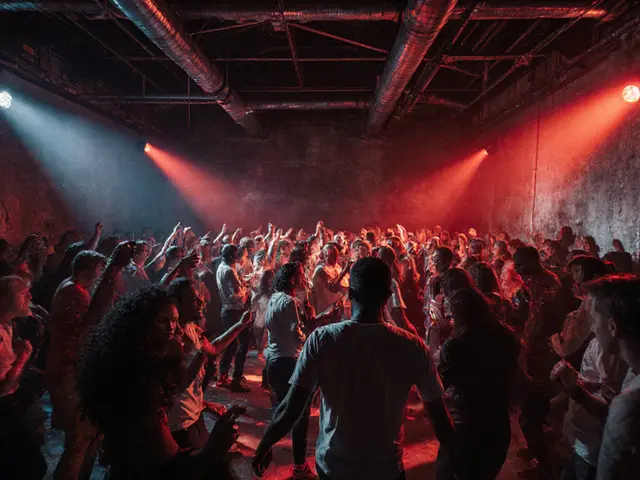
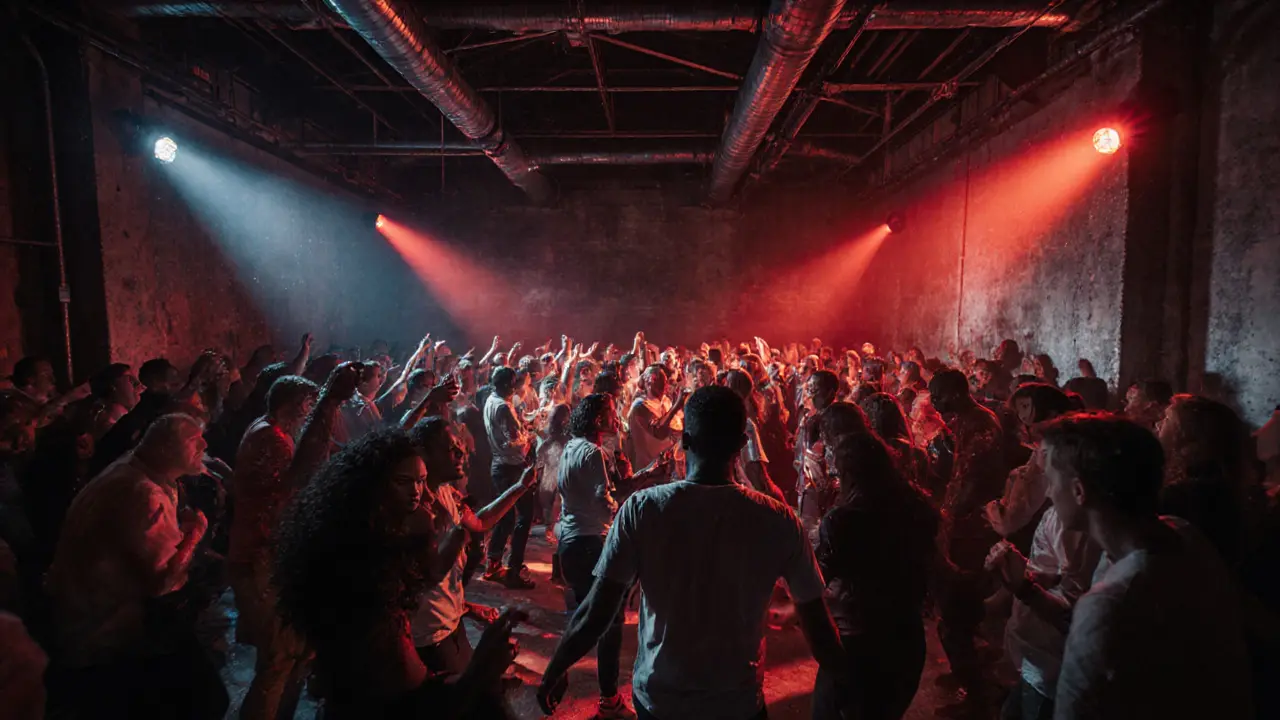
East London, especially Shoreditch and Hackney, remains the heartbeat. Here, warehouses turned clubs like Printworks still rule. Opened in 2017 and rebuilt after a fire in 2023, it’s now bigger, louder, and more technologically advanced. The sound system? A custom-built Funktion-One setup that can drop sub-bass so deep you feel it in your teeth. DJs like Charlotte de Witte and Amelie Lens play here monthly. Lines form before midnight. No dress code, just energy.
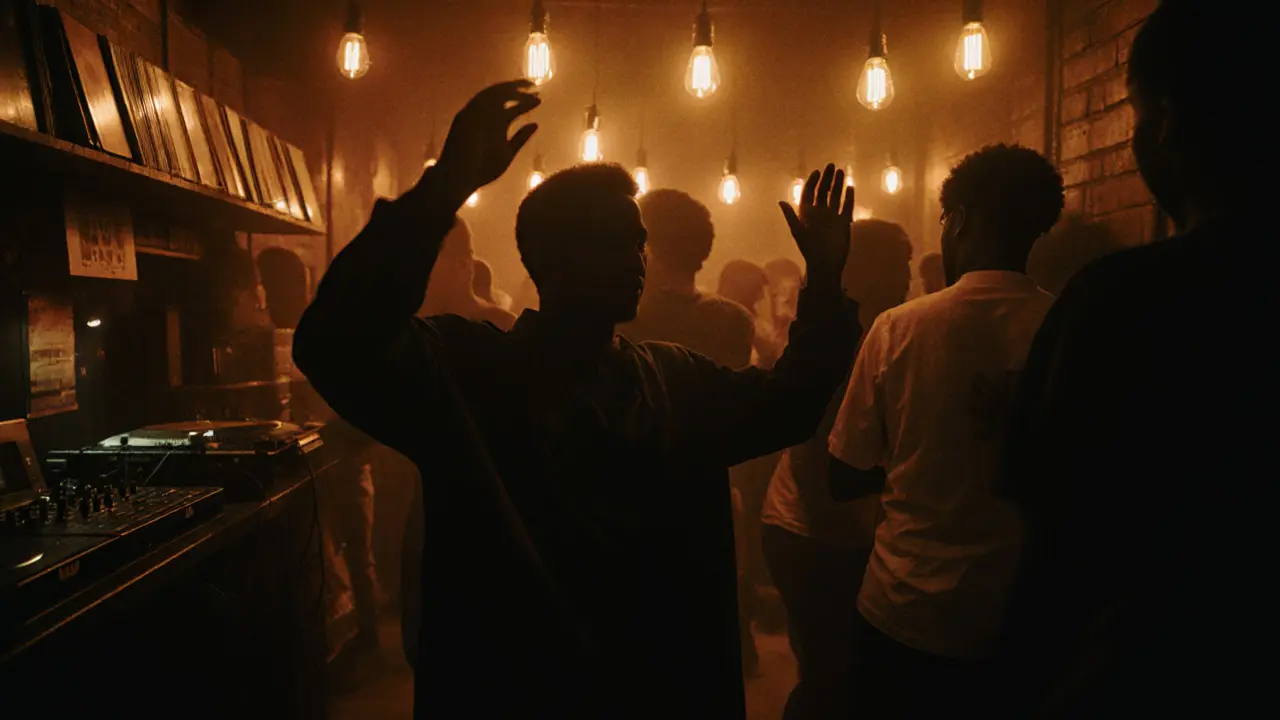
Down in Peckham, Rye Wax holds court. It’s smaller, grittier, and way more authentic. Run by the same team behind the legendary Rye Lane record shop, it’s where house and techno don’t just play-they breathe. The dance floor is narrow, the lighting is dim, and the sound is pure analog. You won’t find a VIP section. You won’t find a menu. You’ll find people dancing like no one’s watching-even though everyone is.
West London has Fabric, the institution. Open since 1999, it’s one of the few clubs still operating under its original license after years of legal battles. Its three rooms-Room 1, Room 2, and the basement-each host different genres. Room 1 is for deep, hypnotic techno. Room 2 leans into house and disco. The basement? That’s where the underground legends spin vinyl until 6 a.m. You need to be 18+, and ID checks are strict. But if you make it in, you’re part of a lineage that includes Carl Cox, Nina Kraviz, and Jeff Mills.
Genre-Specific Spots: Find Your Sound
Not every dancer wants the same beat. If you’re after something specific, London has a room for it.
- For House & Disco: The Cross in Camden is a Sunday-to-Wednesday hotspot. They play rare 70s and 80s disco, soulful house, and modern reworks. The crowd? Mix of 20s and 40s, all moving like they’ve known these tracks since birth.
- For Techno & Industrial: DECK in Bermondsey is the go-to. Concrete walls, strobes that blind, and a sound system tuned for distortion. DJs here play at 130+ BPM. If your feet aren’t aching by 2 a.m., you’re not trying.
- For Garage & UK Bass: Boiler Room still hosts live sets, but the real action is at Womb in Brixton. They throw monthly parties with local producers who blend grime, bassline, and garage. The floor gets packed fast. Arrive before 11 p.m. or wait outside for 45 minutes.
- For Drum & Bass: The Jazz Cafe in Camden has a dedicated D&B night every Friday. It’s not a club-it’s a concert. Big screens, live drummers, and DJs who drop tracks that sound like they’re coming from another planet.
What Makes a Club Great for Dancing? (Not Just the Music)
Great music doesn’t mean great dancing. The space matters. The air matters. The crowd matters.
Look for clubs with high ceilings and minimal obstructions. Printworks and Fabric have open floors with no pillars. That means no blocked views, no bottlenecks. You can move freely.
Sound quality is non-negotiable. A club with poor acoustics feels like dancing in a tunnel. The best venues use line arrays and subwoofers placed to avoid echo. You’ll know it when you feel the beat in your chest-not just your ears.
And the crowd? London’s dancers are respectful. No one pushes. No one grabs. You’ll see people dancing alone, in pairs, in circles. Everyone owns their space. That’s why it’s safe to lose yourself in the music.
When to Go: Timing Is Everything
Don’t show up at 10 p.m. and expect a party. Most clubs in London don’t heat up until midnight. The real movement starts between 1 a.m. and 3 a.m. That’s when the DJs drop the tracks that change the room’s energy.
Weekends are packed. If you want space to move, go on a Thursday or Friday. Some clubs-like Rye Wax and Womb-have themed nights midweek that draw the most dedicated dancers. Check their Instagram pages. They update events daily.
And skip Bank Holiday weekends. The city fills with tourists who don’t know the difference between a bassline and a beat. You’ll be stuck in lines, and the music will be watered down.
How to Get In (And Stay In)
London clubs are picky. They don’t want drunk tourists. They want people who know the music.
Buy tickets in advance. Walk-ups at Fabric or Printworks cost £25. Online? £15. Same entry, same music. Don’t overpay.
Dress smart-casual. No hoodies, no flip-flops. Black jeans, clean sneakers, a simple shirt. It’s not about looking rich. It’s about looking like you belong.
Don’t bring a big group. Five people max. Larger groups get turned away at the door. Clubs want dancers, not cliques.
And if you’re new? Go alone. Walk in. Stand near the dance floor. Watch. Then move. You’ll find your people fast.

What to Avoid
Not every club with a neon sign is worth your night.
- Avoid clubs in Soho that charge £40 for a drink and play Top 40 remixes. They’re for Instagram, not dancing.
- Avoid venues that close early. If they shut at 2 a.m., they’re not serious about the scene.
- Avoid places that require bottle service. If you need to buy a bottle to get in, you’re not in a club-you’re in a VIP trap.
Stick to the places that let the music lead. The rest are just background noise.
After the Night: Where to Recover
When the last track fades, you’ll need caffeine, not cocktails.
Head to Grind in Shoreditch. Open 24/7, they serve strong espresso and avocado toast. No one cares if you’re still in your club outfit. They’ve seen it all.
Or walk to The Breakfast Club in Dalston. Open until 3 p.m., they have pancakes, smoothies, and a chill vibe. Perfect for replaying the night with new friends.
And if you’re still buzzing? Grab a train to the next club. London’s night doesn’t end-it just changes shape.
What’s the best night to go dancing in London?
Thursday and Friday nights are the sweet spot. The crowds are big but not overwhelming, and the DJs are usually at their best. Saturday is packed, and Sunday is often reserved for special events. Avoid Bank Holidays-they’re tourist-heavy and music-heavy.
Do I need to dress up to get into London clubs?
Not fancy, but not sloppy. Clean jeans, a solid shirt or top, and closed-toe shoes work. Hoodies, flip-flops, and sportswear are often refused. It’s not about being rich-it’s about showing you respect the space and the music.
Are London clubs safe for solo dancers?
Yes, extremely. London’s dance scene is one of the most respectful in the world. Security is visible but not aggressive. Staff are trained to handle issues quickly. Solo dancers are common-and welcomed. Just stay aware, keep your phone handy, and trust your gut.
How early should I arrive at popular clubs?
For Fabric or Printworks, aim to arrive by 11 p.m. if you want to skip the line. Rye Wax and Womb fill up fast-get there by 10:30 p.m. for guaranteed entry. After midnight, you might wait 30 to 60 minutes.
Can I find vegan food or drinks at these clubs?
Most clubs now offer vegan options. Printworks has plant-based snacks and alcohol. Rye Wax serves kombucha and vegan snacks at the bar. Always check the club’s website or Instagram before you go-many list their bar offerings.
London’s nightlife doesn’t sleep. It pulses. And if you’re ready to move with it, you’ll find more than a club-you’ll find a community. No gimmicks. No fluff. Just music, motion, and the kind of night you won’t forget.