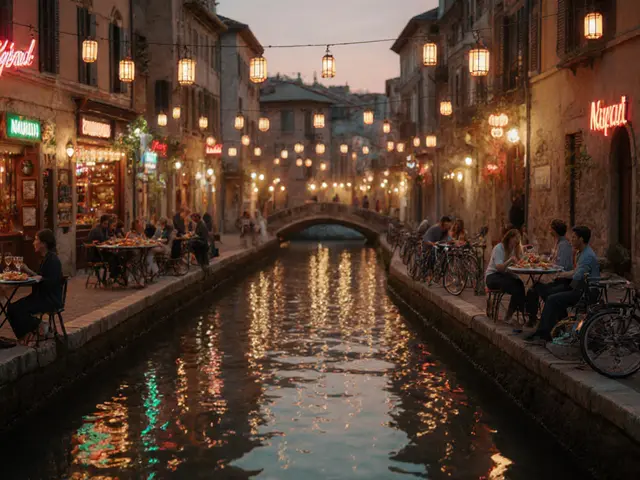
When the sun sets in Milan, the city doesn’t sleep-it transforms. Forget the fashion runways and designer boutiques for a few hours. What happens after dark is where Milan’s real pulse kicks in. You won’t find just one kind of nightlife here. You’ll find underground techno dens, velvet-rope lounges where billionaires sip champagne, cozy wine bars tucked into alleyways, and rooftop spots with views that make you forget you’re in a city of 1.4 million people.
Where the Locals Go After Hours
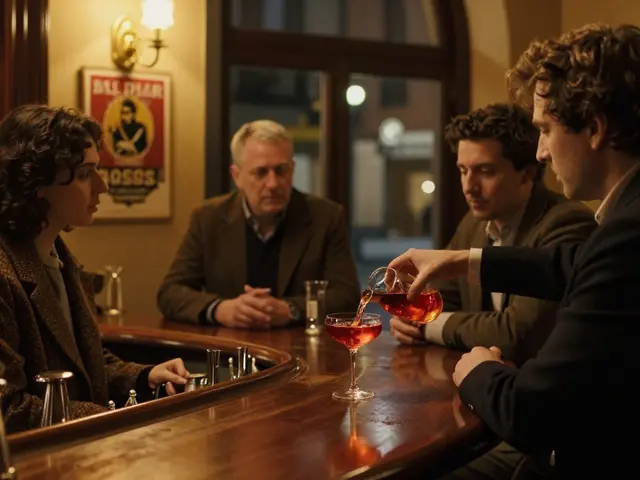
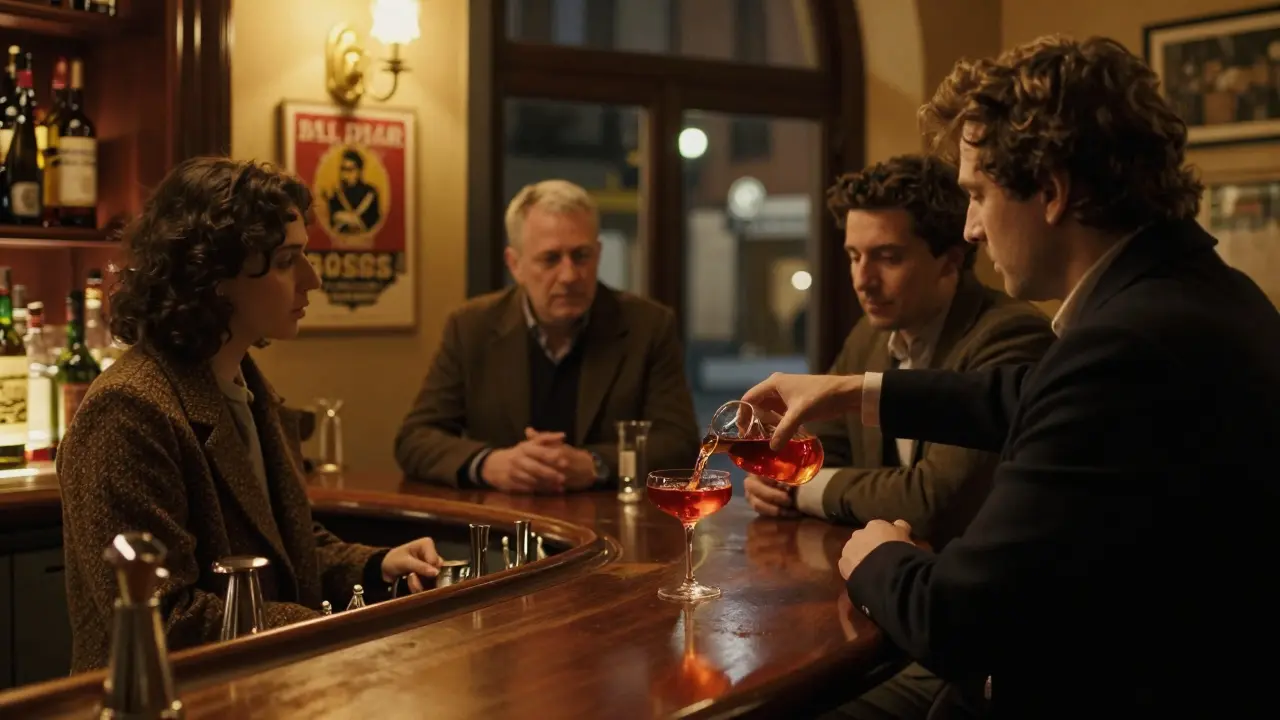
If you want to know where Milanese people actually hang out, skip the tourist traps near Duomo. Head to Brera. This historic neighborhood is the heart of authentic Milanese nightlife. Start with Bar Basso, famous for inventing the Negroni Sbagliato. It’s small, dimly lit, and packed with locals who’ve been coming here since the 1980s. No menus. Just ask for the signature drink and let them surprise you. It costs €12, but you’re not just paying for alcohol-you’re paying for history.
Walk ten minutes to Bar del Fico, a no-frills wine bar with over 200 bottles and a counter that doubles as a snack station. Try the local Lombard cheese with truffle honey. It’s not fancy, but it’s real. This is where Milanese professionals unwind after work-no DJs, no strobe lights, just good wine and quiet conversation.
The Club Scene: From Underground to Elite
Milan’s club scene splits into two worlds: the gritty, music-driven spots and the high-end, celebrity-frequented venues. Both are worth experiencing, but they’re not the same.
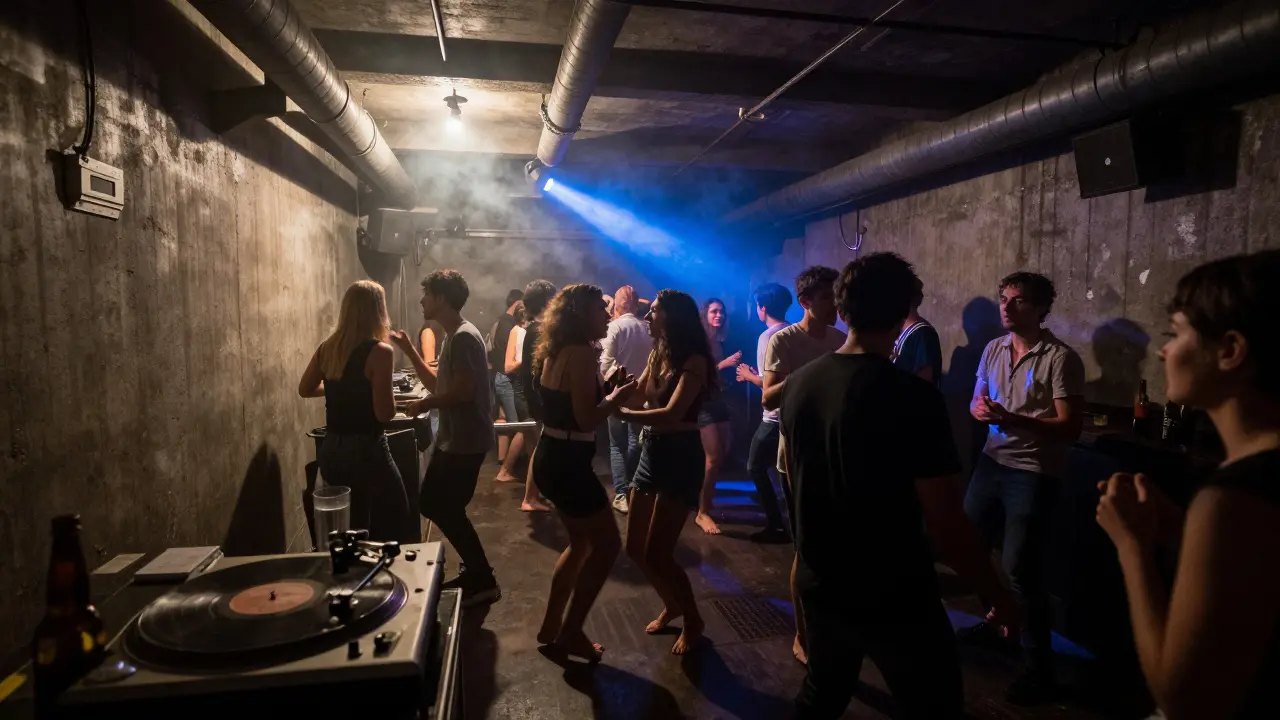
La Scala isn’t the opera house-it’s a warehouse-turned-club in the Navigli district. This is where techno purists gather. No bottle service. No VIP sections. Just a 4/4 beat, concrete floors, and a crowd that’s been dancing since midnight. The DJ plays vinyl only. The sound system was built by a local engineer who used parts from old Milanese radios. It’s raw. It’s loud. And it’s the most honest club in the city.
On the other end, Magazzini Generali is a former industrial complex turned multi-level nightlife complex. It hosts international DJs like Charlotte de Witte and Peggy Gou. The lighting is cinematic. The crowd is international. Entry is €25 on weekends, and you’ll need to dress sharp-no sneakers, no hoodies. This is where fashion models, influencers, and tech founders come to be seen. Don’t expect to get in without a reservation or a local connection.
Bars That Feel Like Secrets
Milan has more hidden bars than you can count. The trick is knowing where to look.
Down a narrow alley behind Piazza Cordusio, you’ll find Il Gatto Nero. It’s unmarked. No sign. Just a black door. Knock three times. If the bouncer lets you in, you’re in. Inside, you’ll find a 1920s speakeasy vibe with jazz on the record player and cocktails made with Italian herbs you’ve never heard of. Their Amaro Fumoso-a smoked amaro with orange peel and juniper-will change how you think about after-dinner drinks.
For something lighter, try Bar Luce inside the Fondazione Prada. Designed by Wes Anderson, it looks like a 1950s Milanese café frozen in time. It’s not a club, not even a bar really-it’s a mood. Order an espresso and a pastry. Sit by the window. Watch the city pass by. It’s the kind of place you remember years later, even if you didn’t drink much.
Rooftop Lounges with a View
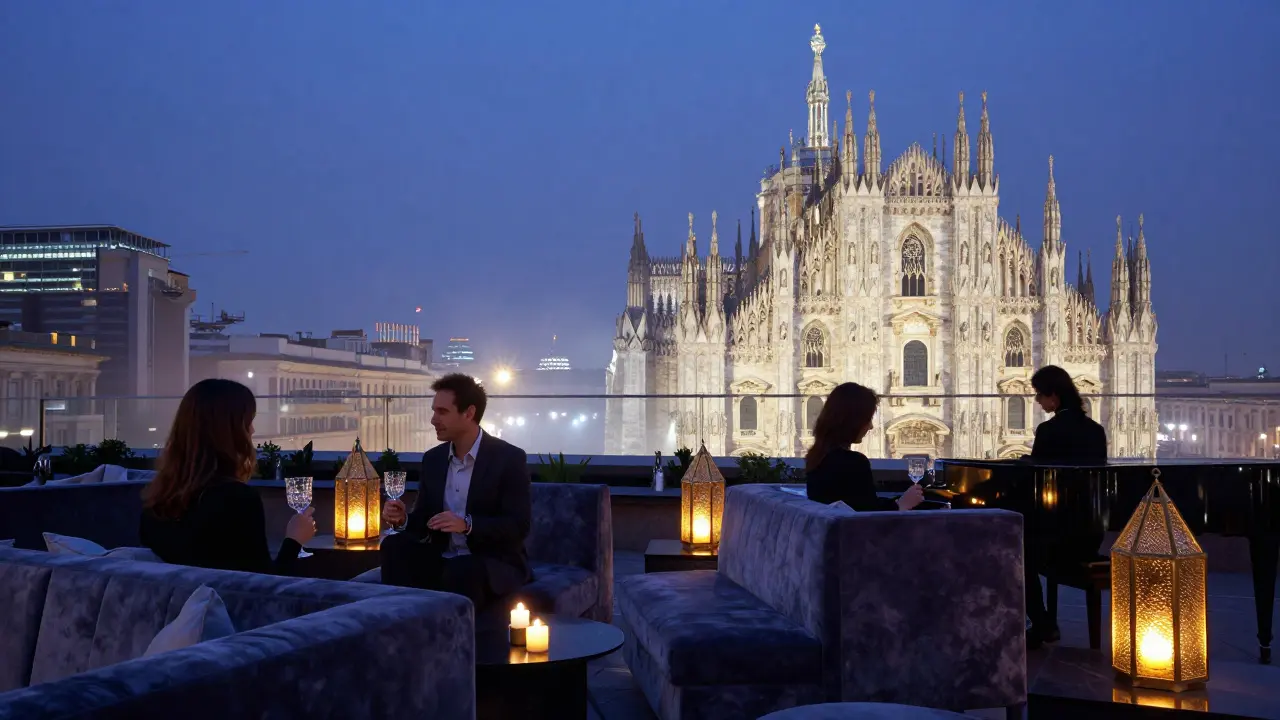
Nothing says Milan like a rooftop at sunset. The city’s skyline-dominated by the Duomo and the Unicredit Tower-is best seen from above.
Terrazza Aperol on the top floor of the Armani/Silos building is the most popular. It’s not the cheapest (cocktails start at €18), but the view of the Duomo glowing under the evening lights is worth it. They serve Aperol spritzes in glassware shaped like Milan’s iconic spires. It’s Instagram-friendly, yes-but it’s also beautifully done.
For something quieter, head to Sky Lounge 360 at the Hilton Milan. It’s less crowded, has a live pianist, and serves local sparkling wines like Franciacorta. The seating is plush, the lighting is soft, and the crowd is older-think mid-30s to 50s. This is where businesspeople and couples go to end the night without the noise.
When to Go and What to Wear
Milan’s nightlife doesn’t start early. Most places don’t fill up until 11 p.m. Clubs don’t really get going until 1 a.m. And if you show up at midnight on a Friday expecting to dance, you’ll be waiting.
Dress code matters. Even at casual bars, you’ll stand out in sweatpants. Men wear dark jeans and a well-fitted shirt. Women opt for tailored dresses or sleek separates. You don’t need Gucci, but you do need to look intentional. The Milanese notice details. A mismatched shoe or wrinkled jacket will get you a second glance-and maybe a door closed in your face.
Weekdays are quieter but more authentic. Friday and Saturday are for the crowds. If you want real energy without the chaos, go on a Thursday. That’s when the locals test out new spots and the DJs play experimental sets.
What to Avoid
Don’t fall for the “VIP experience” scams near the Duomo. These are tourist traps with overpriced drinks and fake exclusivity. You’ll pay €50 for a drink that costs €6 elsewhere.
Avoid clubs that advertise “free entry for girls.” It’s not a perk-it’s a red flag. These places attract the wrong crowd and often have poor sound quality or overpriced bottle service.
And never, ever try to take photos inside La Scala or Il Gatto Nero. It’s not just rude-it’s against the rules. These places value atmosphere over likes.
Final Tips for the Night
Get a Milan Card. It gives you free public transport until 3 a.m. on weekends. Taxis are expensive and hard to find after midnight.
Bring cash. Many smaller bars and clubs don’t take cards. Even places that do might charge a fee for card payments.
Know your limits. Milanese people drink slowly. Aperitivo culture means sipping, not chugging. You’ll last longer-and enjoy more-if you match the pace.
And if you’re staying overnight? Book a hotel near Porta Venezia or Navigli. It’s close to the action, safe, and full of local charm.
What time do clubs in Milan usually open and close?
Most clubs open around 10 p.m. and stay open until 3 a.m. or 4 a.m., especially on weekends. Some underground spots like La Scala might run until 6 a.m. Bars and lounges often stay open later, with some wine bars serving until 5 a.m.
Is Milan nightlife safe for tourists?
Yes, Milan is generally safe at night, especially in popular nightlife districts like Navigli, Brera, and Porta Venezia. Stick to well-lit streets, avoid isolated alleys after midnight, and don’t carry large amounts of cash. Pickpocketing is rare but possible in crowded clubs-keep your phone and wallet secure.
Do I need to make reservations for clubs in Milan?
For big-name clubs like Magazzini Generali or VIP sections, yes-book ahead online. For smaller venues like La Scala or Il Gatto Nero, reservations aren’t needed. Just show up. Lines form around midnight on weekends, so arriving at 11 p.m. gives you the best shot at getting in without waiting.
What’s the average cost of a drink in Milan’s nightlife spots?
In casual bars, a beer costs €5-€7, a cocktail €10-€14. In upscale lounges or rooftop bars, expect €15-€22 per drink. Aperitivo hours (6-9 p.m.) offer food with your drink for €10-€15-this is the best value in Milan nightlife.
Are there any age restrictions for nightlife in Milan?
The legal drinking age is 18, and most clubs enforce it strictly. You’ll need a valid ID, even if you look older. Some venues, especially those with late-night music, may have a 21+ policy for safety reasons. Always carry your passport or EU ID card.