Milan doesn’t sleep when the sun goes down
Most people think of Milan as fashion runways and luxury boutiques, but the city’s real pulse kicks in after 10 p.m. You won’t find strip clubs or tourist traps here-you’ll find hidden wine bars tucked behind bookshelves, underground techno basements under train tracks, and rooftop lounges with views of the Duomo that cost nothing but a good outfit. The nightlife here isn’t loud for the sake of being loud. It’s quiet, confident, and deeply local.
Start in Navigli: Canals, Cocktails, and City Lights
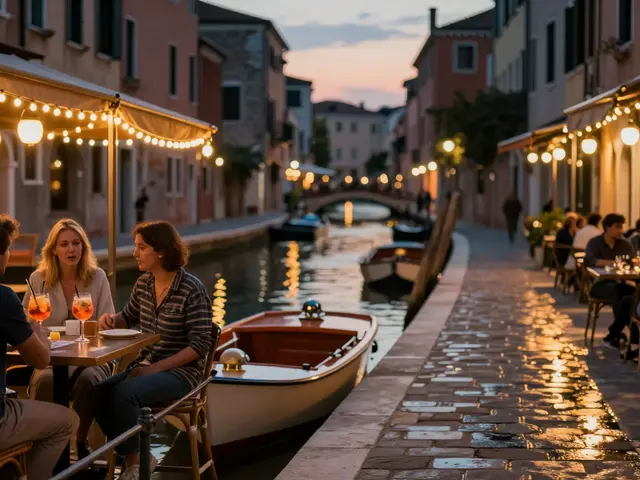
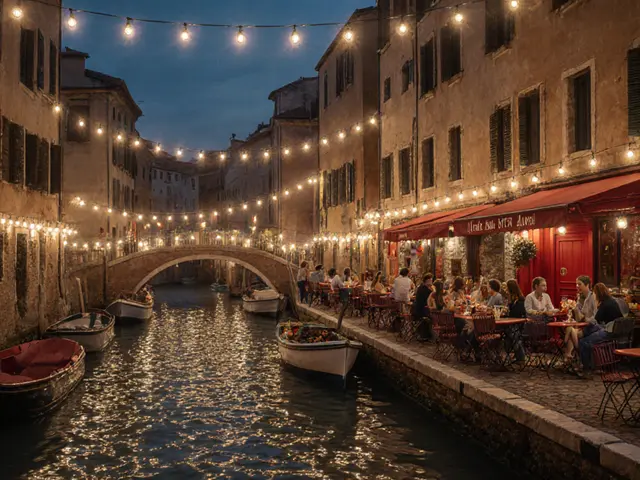
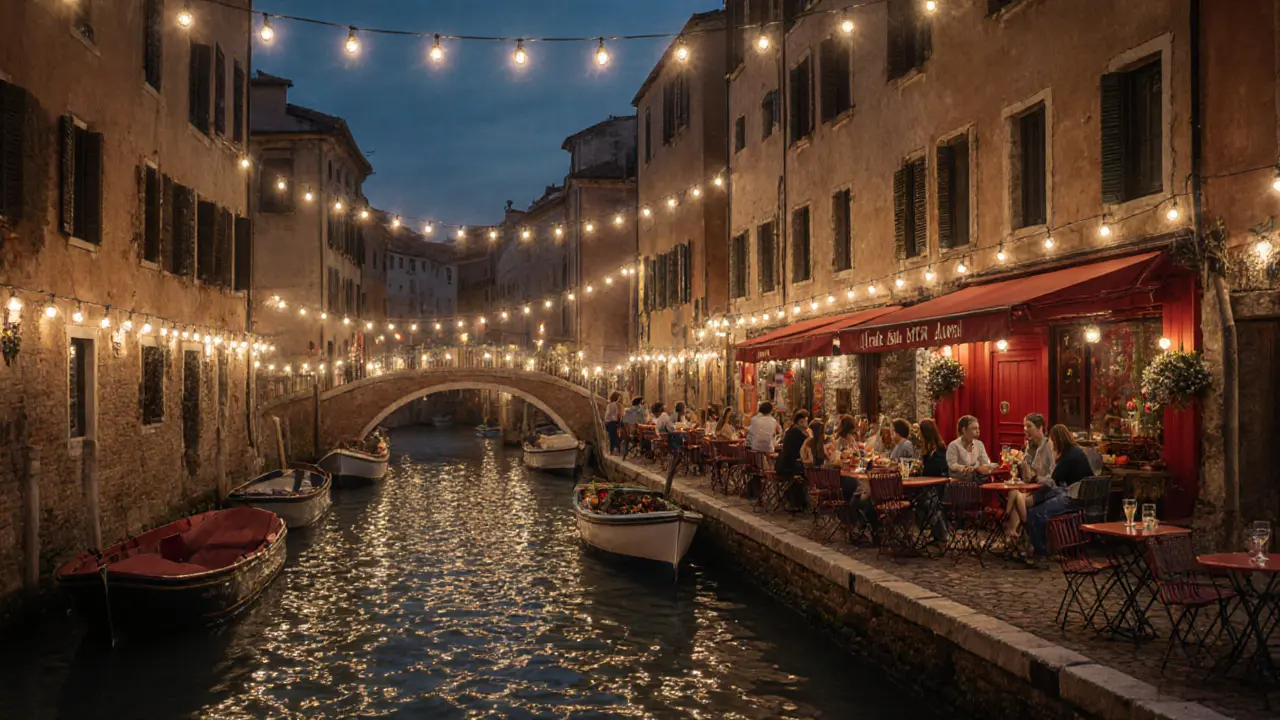
If you’re new to Milan, Navigli is your first stop. This canal district transforms at night from a daytime tourist stroll into a buzzing open-air party. The canals are lined with terraces where locals sip Aperol spritzes and craft gin cocktails. Don’t miss La Bitta-a tiny bar with no sign, just a red door and a line of people who know better. They serve 12 types of local vermouth, and the bartender will ask you what kind of mood you’re in before pouring.
Walk along the water after 11 p.m. and you’ll hear live jazz from Il Covo or indie bands from Bar Basso’s back garden. It’s not a club. It’s a neighborhood hanging out. Locals bring their own snacks, share bottles, and never rush. This is Milanese nightlife at its most human.
For Dance: Where the Real Clubs Live
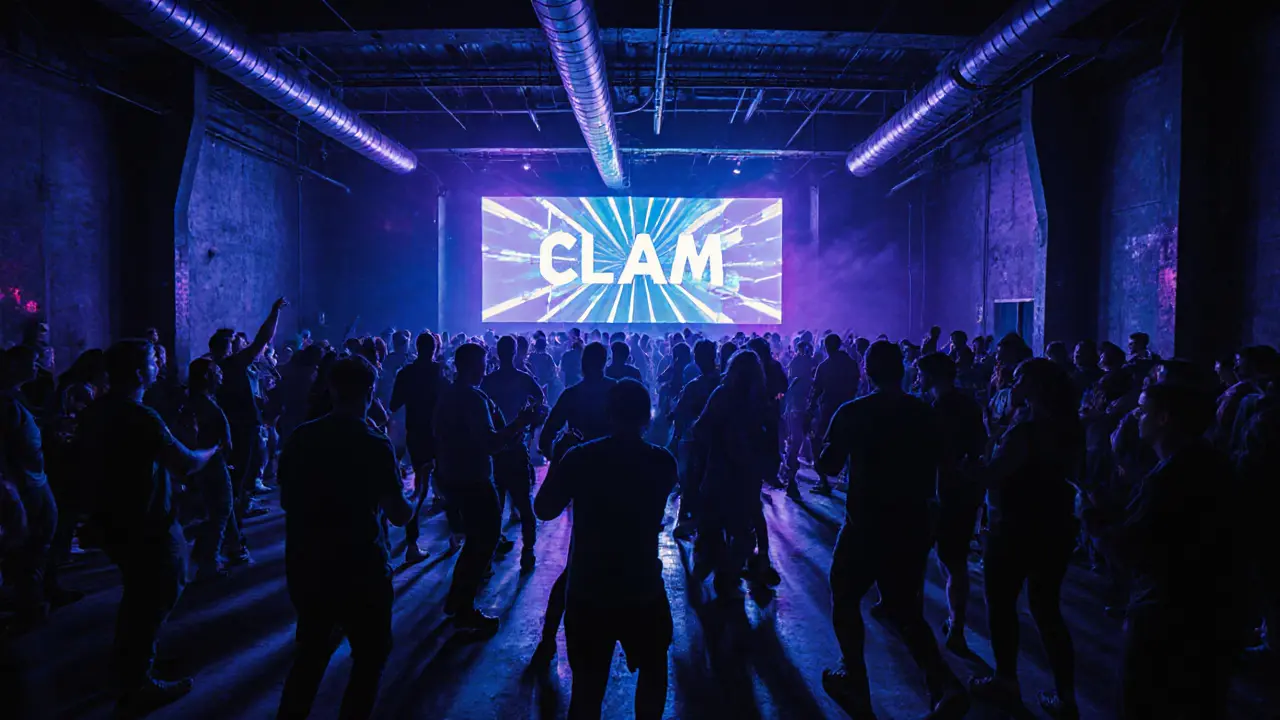
Forget the flashy clubs near Piazza Duomo. The real dance scene in Milan hides in industrial zones and converted warehouses. Clam is the most talked-about spot. It’s in a former meatpacking plant near Lambrate, with a sound system imported from Berlin and a crowd that doesn’t care if you’re famous or just arrived on the train. They don’t play Top 40. They play techno, house, and experimental beats from midnight to 6 a.m. The door policy? If you look like you’ve been out before, you’re in.
Another favorite is Officine Grandi Riparazioni (OGR). It’s not just a club-it’s a cultural space. Concerts, art installations, and DJ sets happen here all year. On weekends, the main hall fills with people dancing under giant LED screens that react to the music. Entry is 15 euros, and you get a free drink. That’s it. No VIP tables. No bottle service. Just music and movement.
High-End Rooftops: Views Without the Fuss
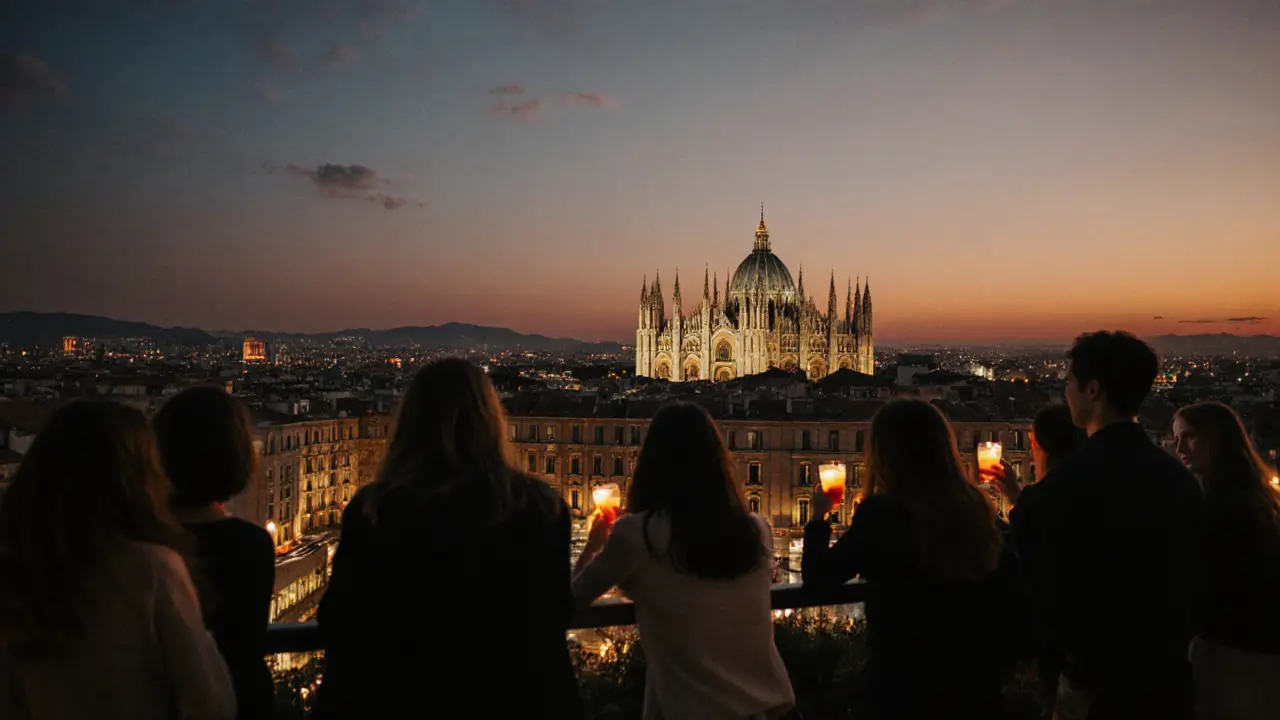
If you want skyline views without the velvet rope, head to Terrazza Aperol on top of the Palazzo delle Scintille. It’s not the fanciest rooftop, but it’s the most authentic. The drinks are cheap (7 euros for a spritz), the music is chill house, and the crowd is a mix of designers, architects, and students who’ve climbed five flights of stairs because they don’t want to pay for a view. The best time? Just after sunset. The city lights turn on slowly, and the Duomo glows gold against the dark sky.
For something quieter, try La Terrazza at the Hotel Principe di Savoia. It’s more polished, but still feels personal. The mixologist knows your name by the third visit. They make a gin cocktail with lavender and local honey that tastes like autumn in Milan.
Wine Bars That Feel Like Your Friend’s Kitchen
Milan has over 200 wine bars, but only a few feel like home. Enoteca Pinchiorri is one. It’s small, dim, and packed with bottles from every corner of Italy. No menu-just the owner asking, “What do you feel like tonight?” You say “something bold,” and he brings you a 1998 Barolo you didn’t know existed. It costs 12 euros a glass. You leave feeling like you’ve been let in on a secret.
Another favorite is Il Goccetto in Brera. They serve 50 wines by the glass, all from small producers. No one speaks English here, but they’ll point to a bottle and smile. You try it. You like it. You order another. That’s the whole experience.
What to Wear and How to Get Around
Milanese nightlife has a dress code, but it’s not about brands. It’s about fit. No hoodies. No sneakers unless they’re clean and minimalist. Think dark jeans, a well-cut jacket, and boots. You don’t need to look rich-you just need to look like you care.
Public transport shuts down at 1:30 a.m., so plan ahead. Uber is expensive and slow. The best option? Walk. Milan is compact, and the streets are safe. If you’re going farther, take a taxi from a reputable company like Radio Taxi. Avoid the ones waiting outside train stations-they’ll charge you double.
When to Go and What to Skip
The best nights are Thursday through Saturday. Friday is the busiest, but Thursday has the best energy-locals are still fresh, the crowd is younger, and the DJs are testing new tracks.
Avoid anything with “Milan Nightclub” in the name. These are tourist traps with overpriced drinks and fake VIP sections. Also skip the area around Porta Venezia after midnight. It’s loud, messy, and not worth the headache.
Local Tips That Actually Matter
- Don’t order a “mojito” unless you want a sugary mess. Milanese bartenders make better cocktails than you’d find in New York or London.
- Bring cash. Many small bars don’t take cards after 10 p.m.
- Start late. Dinner isn’t over until 9:30 p.m. Bars don’t fill up until 11.
- If you’re invited to someone’s apartment for drinks, say yes. That’s where the real stories happen.
Final Thought: It’s Not About the Place. It’s About the People.
Milan’s nightlife isn’t defined by neon signs or bottle service. It’s defined by the way a stranger at a wine bar will hand you a glass and say, “Try this-it’s from my cousin’s vineyard.” It’s the way the DJ at Clam plays a 10-minute track just because the room feels right. It’s the quiet nod between two people who’ve been dancing for two hours without saying a word.
You don’t come to Milan for the nightlife. You come to Milan, and the nightlife finds you.
What’s the best time to visit Milan for nightlife?
The best months are April through June and September through October. The weather is mild, the crowds are thinner, and the energy is fresher. Summer (July-August) is hot and crowded, with many locals away on vacation. Winter nights are quieter but still lively-especially around Christmas when the city lights up and pop-up bars appear in piazzas.
Are Milan clubs expensive?
It depends. Tourist clubs charge 25-40 euros just to get in, with drinks at 15 euros each. But the real clubs? Clam and OGR charge 10-15 euros and include a free drink. Wine bars like Il Goccetto charge 8-12 euros per glass. You can have a full night out in Milan for under 50 euros if you skip the flashy spots and go where locals go.
Is Milan nightlife safe at night?
Yes, very. Milan is one of the safest major European cities after dark. Stick to well-lit areas like Navigli, Brera, and Lambrate. Avoid poorly lit alleys near Porta Venezia or the area around Centrale Station late at night. The metro stops at 1:30 a.m., but taxis and walking are safe. Most locals go out alone or in small groups and feel completely secure.
Do I need to book ahead for Milan nightlife spots?
For most places, no. Bars like La Bitta and Il Goccetto don’t take reservations-they’re meant to be spontaneous. But for OGR or popular rooftop venues on weekends, it’s smart to book a table online. Clam never takes reservations. Just show up. If there’s a line, it’s a good sign.
What’s the difference between Navigli and Brera at night?
Navigli is open-air, lively, and social. It’s where you go to walk, drink, and people-watch. Brera is quieter, more intimate. It’s where you go to sip wine, talk with friends, and listen to live jazz. Navigli is for groups. Brera is for connection. Both are essential-but they’re different experiences.
Can I find English-speaking bartenders in Milan?
In tourist-heavy areas like the Duomo or Galleria, yes. But in the real spots-La Bitta, Il Goccetto, Clam-you’ll find bartenders who speak little or no English. That’s part of the charm. They’ll point, smile, pour, and let you discover the drink. Bring a phrasebook or use translation apps. Most won’t mind. They’d rather you taste than talk.