When the sun sets in Milan, the city doesn’t sleep-it switches gears. One minute you’re walking past sleek boutiques in the Quadrilatero della Moda, the next you’re elbow-to-elbow in a basement club where the bass hits like a heartbeat. Milan’s nightlife isn’t just about drinking; it’s about rhythm, style, and knowing where to go when the city wakes up after midnight.
Start with the Navigli District
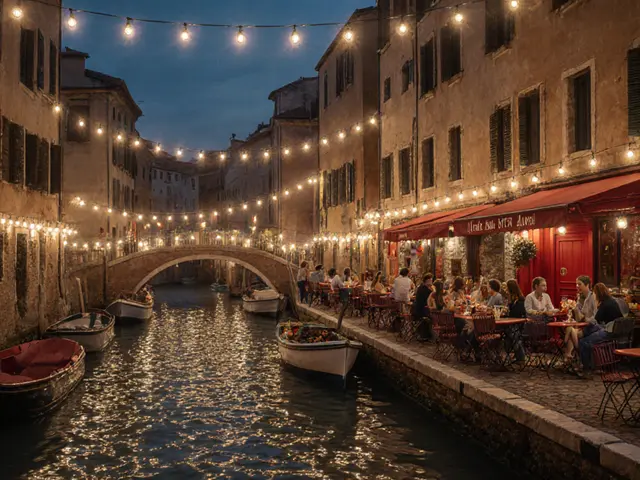
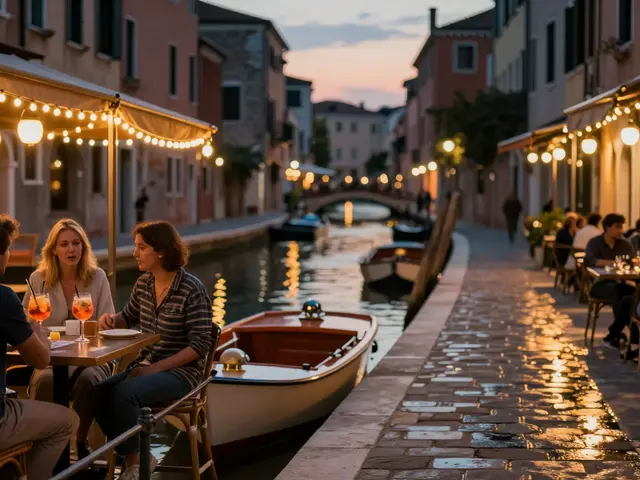
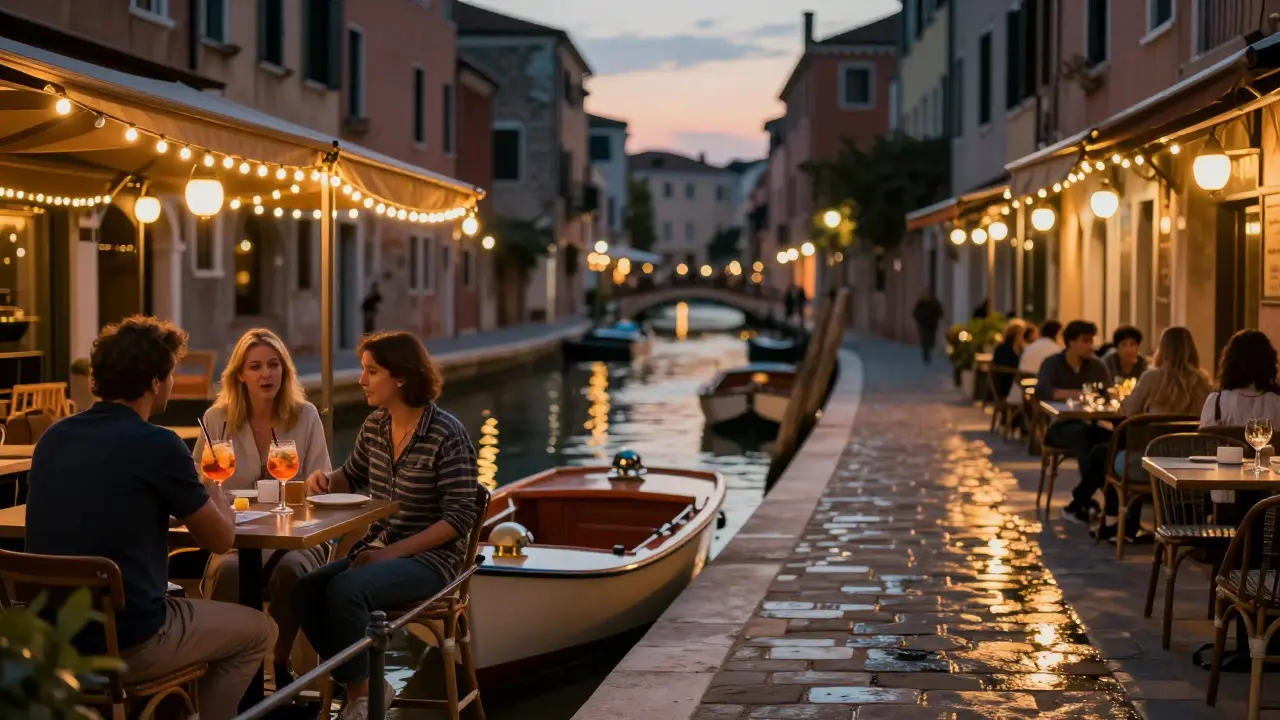
If you want to feel like you’re in a European film set, head to Navigli. This canal-side neighborhood is where locals unwind after work. By 8 p.m., the terraces are packed with people sipping Aperol spritzes and craft gin cocktails. The vibe is relaxed, not loud. But don’t mistake calm for boring. Around 11 p.m., the music shifts. Bars like Bar Basso-the birthplace of the Negroni Sbagliato-still serve their legendary drinks, but nearby spots like Caffè del Naviglio turn into dance floors by midnight. Don’t miss Cantina del Naviglio, a converted warehouse with vinyl-only playlists and a crowd that knows exactly what they’re there for.
Where the Elite Dance: Brera and Porta Venezia
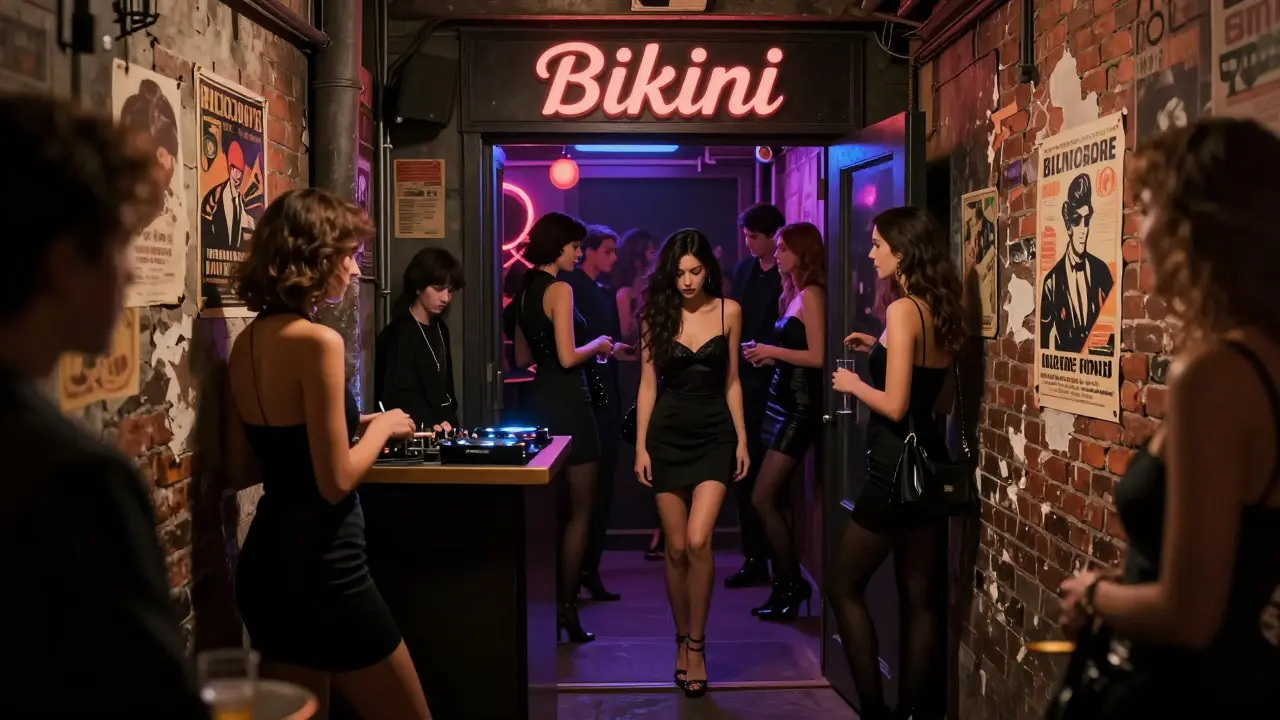
Brera is the city’s artsy heart by day, but at night it becomes a playground for Milan’s fashion crowd. The streets are narrow, the lighting moody, and the doors are hard to find. Bikini is the most famous spot here. It’s not huge, but it’s packed with models, designers, and influencers who came for the music and stayed for the energy. The DJ spins indie electronic, deep house, and the occasional 90s throwback. Dress code? Sharp. No sneakers. No hoodies. If you’re not dressed to impress, you’ll feel it.
Head over to Porta Venezia if you want something more eclectic. This area is where Milan’s LGBTQ+ scene thrives. Rumore is the go-to spot-open until 5 a.m., with drag shows on weekends and a rooftop terrace that overlooks the city lights. The crowd here is diverse, loud, and welcoming. You’ll hear everything from techno to disco to Italian pop. And yes, they serve cocktails with names like "La Dolce Vita" and "Vogue".
The Underground: Where the Real Night Owls Go
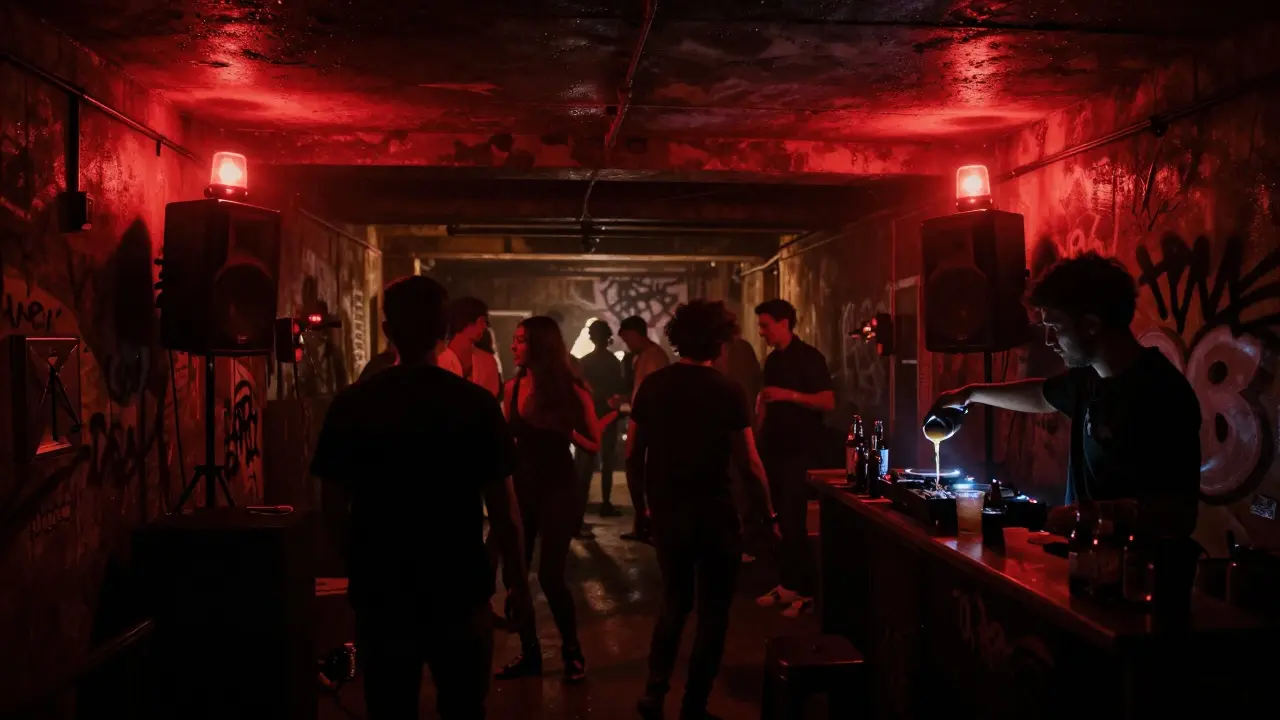
If you’re looking for something raw, unpolished, and unforgettable, skip the tourist traps. The real nightlife in Milan hides in plain sight. L’Officina is a former industrial space in the Lambrate district. No sign outside. Just a red door and a bouncer who checks your vibe before letting you in. Inside, it’s dark, sweaty, and alive. The sound system is custom-built. The DJs are local legends. You won’t find a drink menu-just ask for "the house special" and they’ll make you something strong. This is where people come to forget the day, not to be seen.
Another hidden gem is Circolo degli Artisti, tucked behind a bookstore in the Brera alleyways. It’s a jazz club by night and a vinyl bar by day. On Fridays, they host live sets from underground Italian producers. The crowd is quiet, but the music? It moves you. Bring cash. No cards accepted. And don’t expect a neon sign.
Clubbing Like a Local: The Big Names That Actually Matter
Milan has a few clubs that are famous for a reason. Magazzini Generali isn’t just a venue-it’s an institution. Located in a converted warehouse near Porta Genova, it’s one of the few places in Italy where international DJs like Carl Cox and Charlotte de Witte regularly play. The space is massive, with three rooms, a rooftop garden, and a sound system that vibrates your ribs. Entry is €20-€30 on weekends, but it’s worth it. Arrive before midnight if you want to avoid the line.
La Scala isn’t the opera house-it’s a club that opened in 2023 and instantly became the most talked-about spot in the city. The decor is minimalist: white walls, black floors, single spotlights. The music? Cutting-edge techno with a touch of experimental sound design. It’s not for everyone. But if you’ve ever wondered what Milan’s electronic scene sounds like in 2025, this is it. Dress all black. No exceptions.
Drinks That Define Milan
You can’t talk about Milan nightlife without talking about aperitivo. It’s not just a drink-it’s a ritual. Between 6 p.m. and 9 p.m., bars offer free food with your cocktail. Think cured meats, mini sandwiches, arancini, and even hot pasta. Terrazza Aperol on Corso Como is the most Instagrammed spot, but locals prefer Caffè della Spiga for better food and less noise. The key? Show up early. By 8:30, the snacks are gone.
For something stronger, try a Birra Moretti on tap at Birreria Della Stazione, a retro beer hall near Centrale Station. Or go for a craft gin at Gin & Juice, where they infuse their own botanicals. The bartender will ask if you want it "with a twist"-don’t say no. That’s how you get the real Milan experience.
What to Avoid
There are places that look glamorous but are just traps for tourists. Stay away from Piazza del Duomo bars after dark-they’re overpriced, crowded, and loud with no real music. The same goes for "VIP" clubs that charge €100 for entry and serve lukewarm cocktails. You’ll pay for the name, not the night.
Also, don’t expect 24-hour partying. Most clubs close by 3 a.m. on weekdays and 5 a.m. on weekends. Public transport stops at 1:30 a.m., so plan your ride. Uber is reliable, but surge pricing hits hard after midnight. Better to book a taxi in advance.
When to Go
Weekends are packed, but Thursday and Friday nights are when the real party starts. That’s when the city’s energy shifts. Tuesday is quiet-unless you’re going to a themed night at Circolo degli Artisti. Summer (June-August) is the peak season. The outdoor terraces are open, and international DJs come through. But if you want to avoid crowds, go in October or April. The weather is still good, the crowds are thinner, and the vibe is more authentic.
Final Tip: Dress Right
Milan doesn’t care if you’re rich-it cares if you look like you belong. No flip-flops. No baseball caps. No athletic wear unless you’re heading to a techno warehouse. Men: dark jeans, button-down shirt, clean sneakers or loafers. Women: tailored dress, heels or stylish boots. You don’t need designer labels, but you do need to look intentional. This isn’t Las Vegas. This is Milan.
What time do clubs in Milan usually close?
Most clubs in Milan close at 3 a.m. on weekdays and 5 a.m. on weekends. Some underground spots might stay open later, but they’re rare. Public transport stops at 1:30 a.m., so plan ahead or book a taxi.
Is Milan nightlife safe for tourists?
Yes, Milan’s nightlife is generally safe. Stick to well-known areas like Navigli, Brera, and Porta Venezia. Avoid walking alone in poorly lit alleys after midnight. Pickpockets exist, especially near tourist hotspots, so keep your phone and wallet secure. Most clubs have security, and bouncers are usually helpful.
Do I need to book tickets in advance?
For big clubs like Magazzini Generali or La Scala, yes. Tickets often sell out 24-48 hours in advance, especially on weekends. For smaller bars and lounges, walk-ins are fine. Always check the club’s Instagram or website for event announcements.
What’s the average cost of a drink in Milan?
A cocktail at a trendy bar costs €12-€18. At a local aperitivo spot, you’ll pay €8-€12 and get food included. Beer ranges from €5 to €8. Club entry is usually €20-€30, sometimes more for big-name DJs.
Are there any quiet bars for a relaxed night out?
Absolutely. Try Caffè della Spiga for a slow evening with good wine and small plates. Or head to Circolo degli Artisti for live jazz. These places are perfect if you want to talk, not dance.